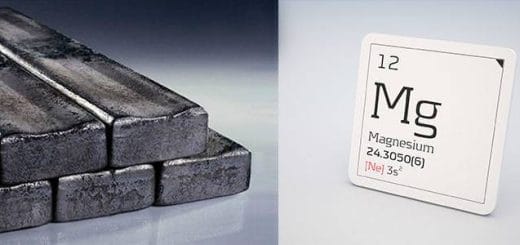
The manganese is a mineral in the form of sulfate and dioxide that has uses as a trace element for health thanks to its medicinal properties and nutritional benefits because it is present in foods.
It can be used with copper LabCatal and with other elements such as magnesium zinc or potassium. Its function in the body is broad. It serves as a structure for biological processes both in animals and in plants. It is considered an essential nutrient but at high doses it is toxic and produces side effects so we will see all the properties and characteristics that it has.
Contents
Properties of manganese
Its name comes from the Latin “Magnes” and it is defined as an element of the periodic table with atomic number 25. Its chemical symbol is Mn and it is very abundant in nature.
Classified as a metal it can oxidize easily which gives it applications both in medicine and in the steelmaking industry. The chemical characteristics and properties of manganese are:
- atomic number:
- atomic mass: 54.94.
- symbol: Mn.
- valence states of manganese: 2 3 4 6 7.
- oxidation state: +2.
- atomic mass: 54.938 g/mol.
- density: 7.43 g/cm³.
- boiling point: 2150 °C.
- melting point: 1245 °
Pure manganese has the property of being shiny silver white in color. It is hard but can break. The ores are brittle and resist intense heat.
Properties as a trace element
Its function in the body is as a cofactor that is it functions as a binding element in proteins and is necessary for many enzymes to be able to develop their functions in metabolism and in the human body. Cofactors can be metallic or organic the latter being called coenzymes.
 The manganese as a trace element functions as a cofactor of several enzymes with properties to detoxify the body and block the action of free radicals from oxidation so we can say that it has properties to:
- Prevent aging.
- Improve the formation of bones and bone tissue.
- Regulate blood glucose.
- Balance metabolic function.
- Increase vitamin absorption.
- Increase the synthesis of natural collagen.
- Heal wounds and regenerate the skin.
- Normalize the function of the thyroid gland.
- Establish the secretion of female and male sex hormones.
It is part of the so-called “micronutrients” or “microelements” and serves to stimulate the growth of the human body which is very important in babies. It is essential for the formation of the skeletal system the growth of bones and the formation of muscles and tendons. Likewise it also has a key role in blood coagulation being related to insulin and cholesterol levels.
As an antioxidant
Another fundamental and very important characteristic is the property of manganese as an antioxidant. Together with the enzyme superoxide dismutase it prevents aging and slows the damage of free radicals.
In many scientific publications you can find these antioxidant enzymes with the name manganese superoxide dismutase. It converts free radicals —the electrons that remain free from atoms and damage cells— into hydrogen peroxide. This in turn is converted through a subsequent process into water being part of the detoxification and excretion mechanism.
For bones
At the same time it also plays a role in the health of the skeletal system. It is vital for the synthesis of proteoglycan and its various cosmetic variants which are base molecules for growth bone formation and the creation of cartilage in joints such as the hip elbow knee and all connection areas between bones.
The function of manganese in bones occurs together with the enzyme glycosyltransferase which improves durability resistance and provides bone density.
Diabetes
There is extensive data about its functionality and role in regulating blood sugar levels a disorder suffered by many people. Diabetes is characterized by peaks including both increases and decreases in blood glucose so the property of manganese to regulate insulin and blood sugar is vital for people with diabetes.
Effects of manganese on metabolism
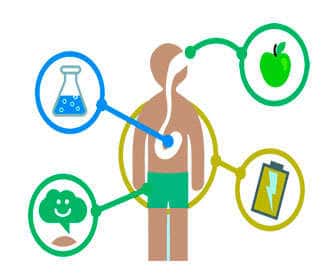 Since it acts as a cofactor it can bind to different proteins and enzymes forming an amalgam of health benefits. The effects of manganese on metabolism are involved in so-called gluconeogenesis which in turn relates it to formation and function as well as to what glycogen is in muscle and liver and the enzyme glycogen synthase.
These organic chemical reactions provide energy to muscle through glucose but it is also present in the assimilation of carbohydrates and in the synthesis and function of the amino acid L glutamine.
Another important property when you ingest it is that it improves the absorption of vitamin E for hair and other vitamins such as B1 C or even the use of biotin tablets and choline which is a B-group vitamin. So while it favors the processing of nutrients from foods in the diet it also increases the amount of vitamins obtained from them.
Once we know its effects and function as a trace element we can understand what happens when there is a deficiency or an excess of manganese when you consume a few foods that contain it or on the contrary when you exceed the recommended daily dose.
Manganese deficiency
- Paralysis of nail and hair growth.
- Skin depigmentation.
- Loss of hair color.
- Bone atrophy.
- Glucose intolerance it can lead to an increase or decrease in blood sugar.
- Weight gain.
- Clots and thrombosis.
- Low cholesterol.
- Birth malformation.
- Neuronal disorders.
Excess and exposure to its toxicity
It is very rare to find people with excess manganese due to the diet. Intake through foods is low but sufficient to complete the necessary percentage to maintain good health.
On the other hand when it is used through supplements in tablets or capsules an overdose may occur which is toxic and associated with side effects described below.
Side effects
- Pulmonary embolism.
- Bronchitis.
- Muscle weakness.
- Migraines.
- Insomnia.
- Hallucinations.
- Parkinson.
- Schizophrenia.
- Depression.
Damage to the lungs is due to accidental inhalation of manganese dust. During handling it is necessary to avoid its dispersion throughout the room since it can seriously damage the respiratory system. It is common to find patients with side effects of manganese who suffer lung disease due to work-related mineral extraction.
Although the recommended daily dose should be taken prolonged overdosing can cause permanent damage to the body. This makes it essential to review the amounts to avoid both excess and deficiency of manganese since both result in loss of health.
Contraindications
- Tuberculosis.
- Pulmonary conditions.
It should be mentioned that its administration in supplement form or by other routes must always be prescribed by a doctor. In small doses it is not harmful, but an excess of manganese produces side effects and adverse reactions.
Where it is present
The human body has a small amount distributed across different tissues and organs. Manganese is present in:
- Liver.
- Pancreas.
- Kidneys.
- Bones.
- Brain.
In bones and the entire skeletal system its presence allows the growth and regeneration of semi-hard parts. It also participates in the formation and repair of connective tissue, muscles, tendons, and collagen fibers.
During the metabolism of the foods we ingest it is necessary since it participates in the assimilation of fats and carbohydrates. In addition the function of manganese in metabolism regulates insulin secretion and enhances the uses of calcium in the body.
In the brain its presence is important since it facilitates the neuronal process, the creation and transmission of signals through the central nervous system CNS. It balances normal function and its deficiency produces psychic and locomotor abnormalities.
Foods rich in manganese

- Rice.
- Sesame, sunflower, and soy seeds.
- Egg yolk.
- Olive oil.
- Green beans.
- Nuts.
- Oysters.
- Legumes.
- Green leafy vegetables such as spinach.
- Whole grains.
- Tea.
One peculiarity is that it is present in breast milk to stimulate the growth of the newborn. As the weeks of the lactation period pass its supply begins to decrease and manganese levels drop since the amount is less necessary once the child’s tissues are formed.
Taking it with multivitamins
 It is common to find supplements rich in minerals that also contain vitamins. There are different food and dietary products focused on healthcare that contain manganese such as multivitamins Mercadona, Deliplus, Lidl and Optisana.
Dose
All people need to consume this mineral daily with the nomenclature and definition Mn. Either in trace element form through some of the manganese-containing foods that we have indicated or through other forms such as chelate, ascorbate, or gluconate supplements without forgetting sulfate and carbonate. All are beneficial for health although it is always necessary to control and monitor the manganese dose indicated for each age and sex:
| Age | Men (mg/day) | Women (mg/day) |
| 19 years and older | 2.3 | 1.8 |
| Between 14 and 18 years | 2.2 | 1.6 |
| Between 9 and 13 years | 1.9 | 1.6 |
| From 4 to 8 years | 1.5 | 1.5 |
| From 1 to 3 years | 1.2 | 1.2 |
| At 7 to 12 months | 0.6 | 0.6 |
| From 0 to 6 months | 0.3 | 0.3 |
| Breastfeeding | 2.6 | |
| Pregnancy | 2 |
Usually the amount present in foods is sufficient to meet the body’s demand. Although its absorption in the intestine is low it is generally sufficient except in cases of anemia or poor nutrition.
Its excretion or expulsion from the body occurs through feces and to a lesser extent through urine.