Biotin is a vitamin associated with hair health present in shampoo, tablets, and foods. It is used to synthesize fatty acids and metabolize glucose from food intake. It also plays a role in cell growth and participates in the Krebs cycle, a series of chemical reactions in the body that provide energy.
Contents
What Is Biotin
Called vitamin H, vitamin B8, or vitamin B7, it is an essential trace element in the body. This type of nutrient is necessary to perform various functions within the human body, and its deficiency produces symptoms such as hair loss, nail weakness, and skin disorders. For this reason, biotin is fundamental in a healthy and balanced diet when seeking to maintain good health.
There are different brands that develop specific products for hair care, skin care, and dietary supplements in which it is included as an ingredient or as a key active ingredient. Below are the types of biotin that exist.
Types of biotin
- Biotin for hair.
- For skin.
- For beard.
- As a dietary supplement.
Biotin for hair
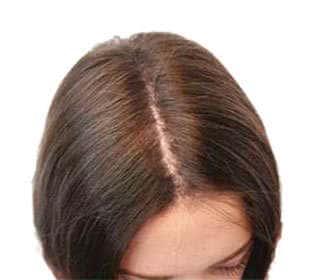 In this form, it is found in hair cosmetics and shampoos to slow hair loss. Biotin for hair has properties that help to:
- Maintain the natural color.
- Strengthen the hair.
- Thicken keratin fibers.
In many places, it can be found under the name horse shampoo, although this name causes confusion. It is primarily intended for horses, but there are also shampoos with biotin formulated for people. You can also use other vitamins and acids to promote hair growth, such as taking vitamin D, which serves to stimulate hair formation thanks to improvements in the blood vessels that nourish the scalp.
For skin
Based on the function of biotin in the body, there are a series of beneficial reactions for all cellular tissue. Vitamin B8 stimulates the production of collagen and keratin. By intervening in the metabolism of fats and the synthesis of proteins—collagen is one and keratin is another—as well as carbohydrates, the epidermal tissue can repair itself more easily, regenerate, and replace older cells.
Biotin for skin has repairing and regenerating effects, supporting skin health. It serves as a fundamental ingredient for the creation of sulfur-rich collagen fibers that coil and provide structure to hair.
For beard
This is the same case as with hair. Facial hair is composed of keratin, which requires vitamins to form. Although it grows faster and becomes stronger with age, the principles governing its formation in the hair follicle are identical. Therefore, biotin for the beard is beneficial and should be taken in the same proportions and doses indicated at the end of the article.
However, it will not grow more or grow faster. Instead, the hair you already have will appear shinier and healthier.
For nails
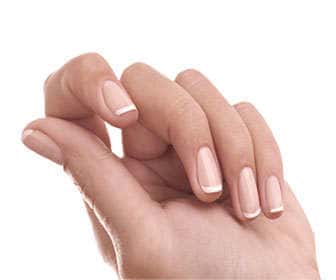 At the same time that it replenishes vitamin H levels, biotin for nails has the following effects:
- Strengthens nails.
- Increases thickness.
- Improves appearance by providing shine and uniformity.
Because nails are composed mostly of keratin, it is extremely important that it can be produced normally and consistently every day. For nails to grow healthy and strong, biotin is necessary. It is essential, and without it, the thickness of each nail decreases, making nails fragile and easy to break.
Benefits for diabetes
For biotin to provide its full potential, it must be taken together with the mineral chromium in its organic form. The benefits of biotin and chromium for diabetes include a reduction in blood glucose in people with type 2 diabetes.
If this is the first time you hear about this, it is recommended that you discuss it with a dermatologist or a specialist at a private hair clinic. They can advise you and explain how you may benefit from a nutrition plan.
Biotin in shampoo or in tablets
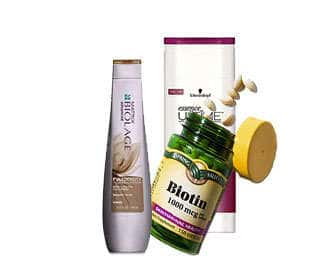 Scientific studies show that the effects of biotin occur when it is absorbed in the intestine. Therefore, using shampoos and masks that contain biotin does not provide the same properties and benefits.
Although there are many hair cosmetics on the market, biotin is more effective when taken in capsule form or as pressed biotin tablets. It can also be ingested as part of a multivitamin. There are many formulations with different concentrations and combinations that work well for disorders such as alopecia or metabolic and nutritional deficiencies.
Unfortunately, shampoo with biotin is not as beneficial as it may seem. While it improves the appearance of hair, this effect is largely due to the other active ingredients it contains, such as oils, moisturizing ingredients, fatty acids, and vitamins that can be absorbed topically.
So what vitamin is biotin?
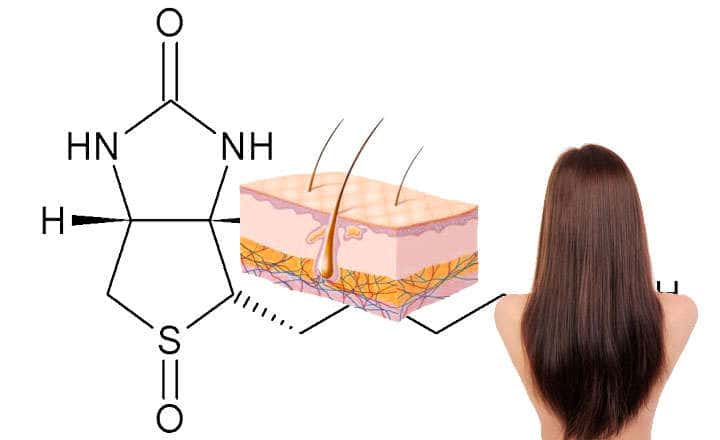 It receives several designations and names. The common names, that is, the answer to the question of what vitamin biotin is, are:
- Vitamin H.
- Vitamin B7.
- Vitamin B8.
All these names refer to the same organic molecule that performs the role of a vitamin. It helps facilitate other processes in the body and participates in the formation of larger molecules, as well as contributing nutritionally through food.
With that said, let’s look at what you need to eat to consistently obtain a recommended daily dose.
Foods rich in biotin
- Banana.
- Nuts.
- Peas.
- Brown rice.
- Tomatoes.
- Brewer’s yeast.
- Strawberry.
- Eggs.
- Oily fish such as sardines, mackerel, salmon, horse mackerel, tuna, and anchovies.
The advantage of having several fresh products is that you can alternate them daily and avoid eating the same foods all the time. Foods rich in biotin are generally appealing and most people enjoy them, especially fruits, which also provide additional vitamins and antioxidants.
The banana is known for being one of the fruits with a higher biotin content. It also contains potassium, fiber, vitamins A, B12, C, D, and B6, the latter defined as pyridoxine hydrochloride, as well as minerals such as magnesium, iron, and calcium.
Peas are small legumes that are beneficial for hair. In some countries they are known as green peas. They are easy to eat and add a pleasant flavor to meals. You can combine them with other foods containing vitamin H to increase daily intake.
If you decide to eat rice, choose brown rice. Because it is whole, it retains its properties, which benefits the body. In many cases, processed foods oxidize or are heated and handled repeatedly, causing them to lose many active nutrients. Therefore, to meet your daily biotin intake, choose brown rice.
Oily fish contains fatty acids that are beneficial for hair. In addition, with the intake of vitamin B7, the metabolism can make better use of other nutrients and synthesize the proteins needed for hair and skin.
Is it good to take biotin and zinc?
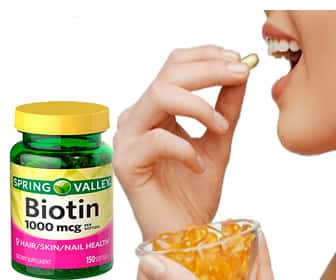 Many people who notice hair loss find that taking a supplement containing biotin and zinc helps address the problem. For it to be effective, it must be taken orally.
By including this type of dietary supplement in your diet, you not only support hair growth but also contribute to skin health.
Dosage
- As a nutrient: 30 mcg/day (micrograms). Take one or two tablets per day depending on the brand.
- How much biotin to take for hair: 500 to 700 mcg/day.
How to take it
It is important to use it daily by incorporating it into your diet. The body processes it continuously, so a daily intake is essential for proper function. Excess vitamin H is excreted in the urine, so any surplus is eliminated.
You can choose between the following ways to take it:
- Capsules or tablets: in the morning with a large glass of water or juice.
- Liquid biotin: add a capful to coffee or your preferred juice, or swallow it directly followed by water.
For example, to take biotin 5000 mcg, follow the first option by swallowing the tablet or capsule with a liquid. Once it reaches the stomach, it is broken down and absorbed in the intestine until the daily requirement is met. The remainder is excreted during urination.