
Thiamine is a water-soluble vitamin also known as vitamin B1. It is used to metabolize carbohydrates from food, which means thiamine helps convert food into energy.
This vitamin belongs to the so-called B complex and its function in the human body works by improving the assimilation of fats and proteins as well as nucleic acids and essential nutrients needed to maintain the vital and basic processes of human beings.
Contents
- 1 What is thiamine and what is it used for
- 2 Thiamine dosage (recommended daily amount)
- 3 Are Thiamine and Vitamin B1 the Same Thing?
- 4 Properties and benefits in the human body
- 5 Chemical properties
- 6 ⭐Does thiamine make you gain or lose weight?
- 7 Contraindications
- 8 Side effects
- 9 Types of Thiamine or vitamin B1
- 10 Foods that contain thiamine and vitamin B1
- 11 Commercial names of thiamine
- 12 Thiamine vitamin deficiency
- 13 Directions or how to take thiamine
What is thiamine and what is it used for

It is an essential vitamin needed to maintain health. Known as vitamin B1 (you can find it as thiamine or vitamin B1), it plays a key role in metabolism and in the assimilation of food. Thiamine is one of the most important vitamins in metabolism, essential to be present in a healthy and balanced diet due to its properties and benefits for living beings.
It can be taken in different forms. Either from food, its most common and healthiest form, or as a daily dose from supplements made as capsules or vitamin tablets. In the latter case, thiamine pyrophosphate, hydrochloride, or hydrocloride may be used.
However, all these commercial forms and chemical formulas have some differences, so we are going to explain how each of them works once we know the amount needed per day.
Thiamine dosage (recommended daily amount)
Vitamin B1 nutritional needs vary depending on age, sex, and stages such as pregnancy or breastfeeding. Below, we indicate the thiamine dosage that should be taken:
| Condition (age, sex, etc.) | Daily Thiamine Dose |
|---|---|
| Men (adults) | 1.2 mg |
| Women (adults) | 1.1 mg |
| Adolescent boys 14 to 18 years of age | 1.2 mg |
| Adolescent girls 14 to 18 years of age | 1.0 mg |
| Pregnant women (adults and adolescents) | 1.4 mg |
| Breastfeeding women | 1.4 mg |
| Children 9 to 13 years of age | 0.9 mg |
| Children 4 to 8 years of age | 0.6 mg |
| Children 1 to 3 years of age | 0.5 mg |
| Babies 7 to 12 months | 0.3 mg |
| Babies from birth to 6 months | 0.2 mg |
| Dogs injectable for deficiency | 10 to 20 mg/kg every 8 hours |
Adult men and women
There is a slight variation in the recommended daily amount of thiamine for men and women. This difference is only 1 mg.
Adolescents
In the case of people in adolescence, thiamine use also varies between sexes, with a difference of 0.2 mg. Adolescent boys need a little more vitamins than girls.
Children
In children, thiamine should be regulated according to age, starting with 0.5 mg and, as the child’s development progresses, increasing the amounts until reaching 0.9 mg, at which point the amount should be adjusted and the adolescent dose should begin.
Babies
Newborns are the ones with the lowest vitamin needs, especially if we take food intake into account. Nutrients will come from breast milk and, if that is not possible, a special baby food containing the indicated amounts should be provided. As with children, the thiamine dosage in babies increases slightly with age.
Alcoholics
People addicted to alcohol should increase the amounts because this substance blocks vitamin B1, producing, in many cases, a deficiency that can become chronic as long as the person continues to be alcoholic. In these cases, it is always recommended that the doctor indicate the recommended daily dose since there may be variations depending on alcohol intake in adult individuals.
Depending on the type of deficiency, one amount or another should be recommended until the normal daily adult dose is satisfied.
Dogs
In dogs with thiamine deficiency, a dose between 10 and 20 mg/kg of the animal should be administered subcutaneously until the symptoms of deficiency subside.
Once this happens, treatment must continue until reaching the 21-week period, changing the amount of thiamine in the dog to 10 mg/kg every 24 hours. In this final period, administration will be oral.
Are Thiamine and Vitamin B1 the Same Thing?
It can be purchased or found under both names, meaning that Thiamine and vitamin B1 are the same thing.
Depending on the publication or brand, it may be mentioned under one of the names (thiamine or B1). Both refer to the same formula that promotes the assimilation of carbohydrates by the body’s cells.
Knowing that it may be referred to under different commercial names and scientific terms, below we are going to look at its medicinal and chemical properties.
Properties and benefits in the human body
- Allow the assimilation of nutrients from food.
- Provide energy to the body from food.
- Prevent the onset of some types of diabetes.
- Regulate the functioning of the nervous system.
- Stabilize the functioning of the cardiovascular system.
- Allow the formation of bones and muscles.
- Assimilate fats and carbohydrates from food.
- Stimulate the regeneration of tissues such as the skin, muscular system, and skeletal system.
The vitamin B1 or thiamine is a micronutrient necessary for humans and animals. It is essential to be able to process food and obtain from it the nutrients needed for life.

This type of vitamin is very important because, without it, when there is a deficiency, the assimilation of food is incorrect, producing a series of side effects that can become serious.
By allowing the assimilation of carbohydrates and good use of food, the body can form new substances to grow and regenerate tissues. Also to allow the functioning of the nervous system.
As it is necessary for both humans and animals, the uses of thiamine and its applications should always be regulated according to the doses that we have indicated as a reference guide for adults, adolescents, children, and veterinary uses.
To allow the proper development of children, it is important to avoid thiamine deficiency in children. When this appears, there is a decrease in bone and muscle growth.
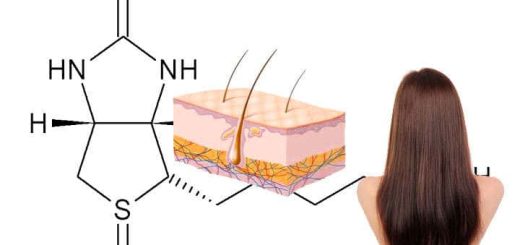
It also plays an important role in the synthesis of other substances and in the regeneration of tissues in the human body. Thiamine deficiency in adults causes skin deterioration, brittle nails, and fragile hair.
In both children and adults, if a deficiency occurs, its administration should begin with possibly higher doses until levels in the body are restored. Then continue with the recommended daily amounts.
Below, we indicate its other characteristics.
Chemical properties
- Thiamine formula: C12H17N4OS+.
- IUPAC name: 2-[3-[(4-amino-2-methylpyrimidin-5- yl)methyl]-4-methyl-1,3-thiazol-3-ium-5-yl]ethanol.
- Molar mass: 265.35 g/mol.
- Melting point: -285 °C) or 521-533 K.
⭐Does thiamine make you gain or lose weight?

Its role in the human body is not to make you gain weight or help you lose weight. However, because its function is related to the metabolization of food (carbohydrates, fats, etc.), it can have a direct impact on weight or body volume.
Many people have doubts about whether thiamine makes you gain weight because, when they begin taking it, they notice that they gain weight. This effect may be because they previously suffered from malnutrition due to a deficiency, which is why they did not assimilate nutrients. When taking it, food begins to be used and, in that case, it is possible to notice weight gain.
But it is important to move away from the idea that vitamins make you gain weight. Some people concerned about their physical appearance may want to stop taking it, something totally discouraged because, if they do, it is very likely that they will suffer from malnutrition and eating disorders.
Contraindications
- Hypersensitivity (review the composition of the tablets or pills if taken as a supplement).
This vitamin is considered safe and is eliminated from the body through urine. It is generally considered that only people with hypersensitivity should avoid its use. It is also possible that people with liver or kidney problems should take precautions. In all cases, the doctor should recommend whether to take it or not.
Side effects
Whenever it is used properly, the appearance of symptoms, adverse reactions, or side effects is unlikely. However, people with hypersensitivity will reproduce the characteristic symptoms of an allergy.
For everyone else, the side effects of thiamine are:
- Vomiting.
- Diarrhea.
- Gastrointestinal discomfort.
- B vitamin deficiency when treatment is prolonged.
- Hyperthyroidism.
- Allergic reactions.
- In injectables it may cause sleepiness.
In general, no side effects of vitamin B1 have been described in any of its forms beyond slight stomach discomfort.
Problems with its use may appear to a greater extent when its administration is prolonged. It should always be taken for short periods and as prescribed by the doctor. Something that, on the other hand, is always the case with all vitamins.
Does it cause sleepiness? (drowsiness, insomnia, etc…)
Some people may perceive some drowsiness when it is applied. In many cases, it produces a relaxing effect on the central nervous system and regulates metabolism.
In other people, an antagonistic effect may be perceived, that is, instead of relaxing and producing drowsiness, it will take away sleep. This is because the body will have an increase in energy since food will be used better. As there is more energy in the body, it is likely that the person will be more awake, especially during the first days of taking it.
Types of Thiamine or vitamin B1
In many cases the specialist may recommend taking one of its commercial forms or chemical preparations, which may be the following:
- Thiamine pyrophosphate.
- Thiamine hydrochloride.
- Thiamine monohydrate.
- Thiamine diphosphate.
Thiamine pyrophosphate
 This chemical form is called TPP or thiamine pyrophosphate. It functions as a coenzyme that participates at the molecular level in the bodies of living beings (humans and animals).
In many cases, the nutritionist or doctor will recommend taking pyrophosphate or simply any of the commercial forms of vitamin B1. Its properties and benefits are identical when you take it and it is digested.
Thiamine hydrochloride
 With a different name and some chemical variations, thiamine hydrochloride is sold as a colorless powder with an odor similar to meat. In many cases it gives off a sour aroma and its bitter taste can be noticed when it comes into contact with the tongue.
The role of thiamine hydrochloride in metabolism, its function, is to oxidize blood glucose through hexose monophosphate. It also participates in the oxidative decarboxylation of pyruvic acid.
Like the pyrophosphate form, hydrochloride is absorbed in the digestive tract. Both chemical forms are beneficial for human beings. They can be taken interchangeably, which means they will produce the medicinal properties described in both formulations.
Thiamine monohydrate
 It is a synthetic form with the same effects as vitamin B1. Thiamine monohydrate is obtained from hydrochloride by processing it to remove a chloride ion and adding the nitric acid formula. This gives it high stability and extended preservation.
Differences between thiamine hydrochloride and monohydrate
Thiamine hydrochloride is volatile and oxidizable. Its preservation is lower if it is stored over time. Oxidation of the tablets causes losses, weakening their properties and benefits. Hydrochloride is usually less effective when stored for a long period of time.
Also, hydrochloride is thermolabile, that is, it is destroyed when it reaches a certain temperature.
As for its function and beneficial properties, both chemical forms are healthy and can be purchased as caplets, pills, or tablets in the form of supplements with several vitamins.
It is sold over the counter, so no prescription is needed, although it is always recommended to take it following a doctor’s instructions. You can buy it in pharmacies, herbal stores, and nutrition stores.
Foods that contain thiamine and vitamin B1
- Cereals such as:
- Brown rice.
- Oats.
- Quinoa.
- Corn.
- Wheat.
- Pork, beef, bull meat.
- Nuts.
- Prickly pears.
- Eggs.
- Legumes.
- Potatoes.
- Animal organs such as liver, heart, kidneys, etc.
- Sesame seeds.
- Yerba mate.
There are many foods rich in thiamine and fresh products that contain it. Cereals and seeds usually contain a large amount of vitamin B1, being a main source of the daily intake in the human diet.

In addition to foods, there are also medicinal plants that can be a source of thiamine. For example, the plant called Opuntia ficus indica (nopal or prickly pear cactus) provides certain amounts of this vitamin as well as other micro- and macronutrients. Quinoa seeds provide about 0.36 mg of thiamine for every 100 g of product consumed.
But besides being able to obtain it from foods, due to the decline in the Western diet, the Mediterranean diet, and, in general, the diet of the entire world, it often becomes essential to supplement its intake from foods with multivitamin supplements. In this case, it will be necessary to know the brands and names sold. Thus, below, we indicate the best known and most common ones.
Commercial names of thiamine
- Complejo con Vitamina B1.
- Aminoveinte emulsión.
- Bester complex.
- Astenolit.
- Becocyme C forte.
- Antinerina.
- Benexol B1-B6-B12.
- Becocyme C forte.
- Calmante vitaminado.
- Fosgluten reforzado.
- Cinfavit complex.
- Forcemil.
- Dayamineral
- Elevit.
There are countless nutritional supplements enriched with vitamins. The ones indicated in this publication are those that include different percentages of thiamine or vitamin B1.

Thiamine vitamin deficiency
In many cases, the symptoms of a thiamine deficiency (vitamin B1) are clear, and the following situations may be detected:
- Mental confusion.
- Depression.
- Difficulty concentrating.
- Memory loss.
- Heart hypertrophy.
- Irritability.
- Palpitations.
- Dry and wet beriberi.
- Wernicke encephalopathy.
- Wenicke-Korsakoff syndrome or cerebral beriberi.
Mild thiamine deficiency can cause behavioral problems at the nervous system level such as irritability, difficulty achieving concentration, poor memory, depressive symptoms, low mental sharpness, palpitations, and irregularities in heart rate (arrhythmia), etc.
The so-called beriberi syndrome is a disease that causes fatigue and apathy. Weakness and low energy to carry out basic tasks are constant, and it may affect the brain, the heart, and the central nervous system CNS. It may appear when vitamin B1 intake is very low for a long period of time.
Why does thiamine or vitamin B1 deficiency occur?
Except for special cases, the usual causes are due to a dietary deficiency, that is, poor nutrition or problems assimilating B vitamins. It is also very common in people with alcoholism and in cases of anorexia.
Other common cases of vitamin B1 deficiency include receiving cancer treatment such as chemotherapy. Deficiency is also very likely in people who have undergone gastrointestinal surgery. In the latter case, it is common for a period of low thiamine levels to occur for a short time, especially if the patient is undergoing hemodialysis.
In some cases, the deficiency is diagnosed due to stomach disorders that cause diarrhea, and this is corrected by including a supplement with vitamin B1 in the diet.
Use of thiamine and alcohol consumption

We have already mentioned that thiamine loses effectiveness when alcohol is consumed, and this is a major disadvantage for the person because they stop receiving all its benefits.
Generally, problems related to alcohol occur in people with alcoholism since they are very likely to show symptoms and side effects from a thiamine deficiency.
When there are high amounts of ethyl alcohol in the body, ethanol blocks it and it stops working. So thiamine in people with alcoholism usually appears in low amounts in different tests, meaning that it is very likely that a person with alcoholism has a deficiency.
If you drink alcoholic beverages frequently and need to take a supplement with this vitamin, it is advisable to reduce the dose or stop taking them during the treatment period. Thiamine and alcohol are antagonists, which means that in the presence of alcoholic beverages, vitamin B1 is inhibited and no longer has beneficial effects on health.
People with alcohol addiction should eat more foods rich in vitamins to avoid deficiency or, failing that, include a supplement with it.
Other causes that produce thiamine deficiency
In addition to the cases described in the previous section, it is important to regulate the consumption of antagonists or antithiamines. These are foods or products that inhibit its function and/or assimilation, producing what is called thiamine deficiency.
The foods that produce this antithiamine effect and are considered vitamin inhibitors are:
- Coffee.
- Tea.
- Raw shellfish.
- Raw river fish.
Directions or how to take thiamine
It is always important to follow the guide with the thiamine doses as well as the specialist’s instructions.
For adults, the recommendation is to take 1 or 2 tablets per day, and this may vary depending on the composition of those pills. These may come in different sizes such as 300 mg, 200 mg, etc…
The ideal way to take thiamine is to swallow it with a large glass of water, which will make it easier to dissolve in the stomach and be absorbed in the intestine.


estoy tomando tiamina de 100 mg en ayunas estoy con el estomago suelto seca la boca esto últimos días paralelamente estoy sufriendo un fuerte stres
con dolores de espalda , es aparte es consecuencia de lo que tengo