
Probiotics are bacteria that we take to improve health. They can be present in foods or included in dietary supplements. They are very small microscopic organisms that slow the advance of pathogens and bacterial colonies that are harmful to humans. They improve the intestinal flora, elastic fibromuscular ducts such as the vagina, the mammary ducts, and they also have benefits and properties that help strengthen the body’s defenses. They are very varied and versatile, so we are going to look at those available from pharmacies for children and pregnant women.
Contents
- 1 What are probiotics
- 2 Types of probiotics
- 3 Where they are found
- 4 Names of natural probiotics
- 5 Vaginal probiotics
- 6 Probiotic for pregnancy
- 7 For lactation
- 8 For children
- 9 For constipation
- 10 Other probiotic bacteria
- 11 Brands
- 12 Forms of live probiotic products
- 13 Should they be eaten directly or taken as part of a diet?
- 14 Probiotics and prebiotics
- 15 Diseases and disorders treated with microbiota
- 16 How to take probiotics
- 17 Which probiotic to choose
What are probiotics
The origin of probiotics is life itself. The word that designates them means “in favor of life”. Natural probiotics are small microorganisms that live inside us and grow naturally. They are bacteria and yeasts that are beneficial for humans. So when you consume a probiotic food such as yogurt or kefir, you provide beneficial properties for the intestine.
Probiotics are small bacteria that are beneficial to the body. They grow by the millions inside us and help control bacterial colonies that are not beneficial when they grow without control.
There are different types of probiotics. Some act in the intestine, others are vaginal, others are intended for lactation or babies, and there are even some specific ones for dogs. All of them are produced naturally inside or outside the body. That is, they can develop in the body or be part of a culture in a laboratory. However, the purpose of probiotic cultures is to be used for ingestion or application to a specific area in order to develop their full potential in the human body.

Since they can be used for different areas, it is clear that they have different functions. There is a wide range of them, and as studies in medicine and nutrition advance, there are more possibilities to use them. Because there are many and they are different, we are going to look at them in detail.
Types of probiotics
- Natural.
- Vaginal.
- For children.
- For lactation.
- For use in dogs and pets.
- Indicated for babies.
- Lactose free.
Every day there is a new way to administer them to specific areas of the human body. Some have properties for the stomach and intestine, those known as intestinal flora. Others, on the other hand, have qualities that help care for the uterus, reduce vaginal infections, prevent future outbreaks, protect oral tissues, and also increase defenses.
Where they are found
In natural products and dietary supplements. Currently, there are many available options that contain them, from yogurts and fermented foods to capsules with millions of these microorganisms that are beneficial for health.
You will be able to choose to buy a different probiotic depending on the benefit you are looking to obtain. This may be in foods or within a supplement to improve the diet. Since they are so small, each bite or dose will include many of them.
Names of natural probiotics

- Lactobacilli
- Lactobacillus rhamnosus.
- Lactobacillus gasseri (for candida).
- Lactobacillus fermentum (for lactation and mastitis).
- Lactobacillus acidophilus DDS-1.
- Lactobacillus casei.
- Lactobacillus plantarum.
- Lactobacillus salivarius.
- Lactobacillus brevis.
- Bifidobacterium lactis.
- Bifidobacterium longum.
- Bifidobacterium bifidum.
- Streptococcus thermophilus.
- Yeasts
- Saccharomyces cerevisiae var. boulardii (yeast).
Some natural probiotics promote the growth of beneficial bacteria that support intestinal health, bacterial flora balance, improve gum resistance to infections, or help prevent stomach discomfort.
What is important is to take the appropriate probiotic at each moment, or to learn which of them may be beneficial for each person if there is a certain tendency to experience health problems.
Vaginal probiotics
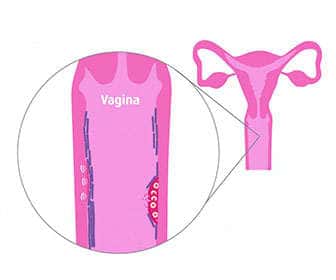 The vaginal probiotic is a microorganism with functions different from intestinal ones, although it is very beneficial. It is essential for the optimal functioning of the female reproductive system.
They are known for their ability to treat certain types of bacteria that cause discomfort and pain in women. They reduce symptoms of irritation and help maintain proper genital health. Vaginal probiotics balance the vaginal flora.
One example is Lactobacillus gasseri, which works as a treatment for candida infection. There is the possibility of purchasing it in ovules or tampons for topical application, instead of ingesting it like those that promote intestinal health. You can find it in products such as muvagyn with vaginal probiotics, together with gasseri and rhamnosus.
Probiotic for pregnancy
During this stage, it is important to be very careful with the foods and products that are taken. Any alteration in the woman’s body can be transferred to the baby, so it is necessary to pay close attention to what is included in the diet. Prebiotics during pregnancy are used for:
- Diarrhea.
- Constipation.
- Gestational diabetes.
For the most common disorders during pregnancy, such as constipation or diarrhea, their use is quite common. Certain prebiotics for pregnancy help prevent these conditions, and when these uncomfortable symptoms appear, they help improve them. According to the Canadian Journal of Obstetrics and Gynecology, there is a high percentage of women for whom the use of a specific prebiotic is recommended.
 On the other hand, it should be noted that there are no data indicating that they are harmful or that they can cause miscarriages. However, it is always advisable to consult a doctor so they can guide you and monitor any anomaly that may appear.
Regarding the percentage of cesarean sections, there is also no evidence of an increase or decrease in the baby’s weight or in the likelihood of being premature.
Regarding gestational diabetes, it appears that prebiotics for pregnancy may be beneficial. They can help reduce the risk of developing this condition.
For lactation
Many lactobacilli are suitable for this stage of a woman’s life. During lactation, probiotics are used for various conditions and disorders such as:
- Mastitis.
- Abscesses.
- Obstructions in the mammary duct.
- Milk pearls.
- Nipple infections.
Some probiotics for lactation are oral and others are topical. The topical forms must be applied to the skin, as they are included in a cream.
Breast milk is rich in natural probiotics, and lactobacilli can provide many properties and benefits to the baby.
For children
They improve the response of the youngest members of the household because they increase their defenses. They are especially indicated to help prevent diarrhea, irritable bowel syndrome, and inflammatory bowel diseases. There are also indications that they may promote a more effective response against the common cold and flu.
Some that may work well during childhood include the yeast Saccharomyces cerevisiae var. boulardii and Lactobacillus rhamnosus.
The forms of use include chewable tablets, capsules, or small tablets.
For constipation
During pregnancy it is very common to experience constipation, but it can also occur during other stages of life. Many people tend to suffer from it, and probiotics for constipation work well. The most effective include:
- Bifidobacterium lactis DN-173 010, which can be found in probiotic products made from fermented milk under the name Activia or Bifidus Regularis.
- Bifidobacterium lactis Bb-12, available in capsules and tablets.
- Bifidobacterium longum, found in dietary supplements.
- Lactobacillus casei Shirota, or L. casei, an anaerobic bacterium included in dairy products that produces lactic acid and activates the production of L. acidophilus to create amylase, which is a digestive enzyme.
For cases of occasional and even chronic constipation, it is advisable to increase fiber intake and learn which foods are better tolerated. The microbiota helps in many cases, but aspects related to diet and lifestyle must also be addressed.
Other probiotic bacteria
- VSL # 3 for ulcerative colitis and Crohn’s disease. This probiotic strain impacts intestinal mucus production, improving symptoms of inflammation and deficiencies in the intestinal immune system. It is also used for irritable bowel syndrome (IBS), constipation, and during pregnancy.
Brands
- Bivos
- Muvagyn
- Sandoz
- Arkoprobiotics
- Lactoflora
- Align
- Optibac
- Perflore
- Fortiflora
- Soniase
- Nestle
- Inmunoglukan
There are countless options, as they are classified as supplements. It is important to buy a good brand that ensures the quality and effectiveness of each dose. With each intake, you ingest or apply several million probiotics that will be released inside the body, so it is logical to take care when choosing what you buy.
It is also important that storage requirements are met, that there are no breaks in the cold chain if required, and that proper handling is ensured. They should be kept in cool places, without humidity, and away from sunlight.
Forms of live probiotic products

In addition to different strains focused on specific areas of the body, there are also different forms of presentation. This makes it easier for them to reach the appropriate place in the human body, whether it is the stomach, the vaginal flora, or another location. The usual forms of presentation are:
- Yogurt
- Kefir
- Ovules
- Tampons
- Capsules
- Tablets
- Liquids or drinkable forms
- Fermented products
Should they be eaten directly or taken as part of a diet?
It depends on the probiotic you are going to use. Many of them are intended to stimulate the growth and expansion of the intestinal flora, so they must be swallowed to reach the stomach and the entire digestive system. Others, on the other hand, are topical and do not need to be ingested. They can be applied directly to the area where there is an infection or where improvement is desired. Once released, they will colonize new spaces, growing and establishing balance with the person who uses them.
That said, whenever you use a natural probiotic, read the instructions; this is important. This way, you can be sure —whether you are a woman or a man— that you understand the dosage, how often it should be used, and whether it is a food suitable for human consumption or a probiotic intended for external application. Caution is also required with children. Before administering them, you should consult a doctor.
Probiotics and prebiotics
 Although they may seem the same, they are different. Probiotics are microorganisms, bacteria, and yeasts that coexist inside the human body. They have specific functions and help maintain health.
Prebiotics are foods for the intestinal flora, that is, for probiotics. They are nondigestible carbohydrates, such as fructooligosaccharides, that encourage the growth of beneficial bacterial colonies. The meaning of prebiotic is “promoter of life”, the antonym of antibiotic.
Let’s look at how prebiotics are classified to make this clearer:
- Fructooligosaccharides.
- Inulin.
- Dietary fiber.
- Lactulose, which is composed of galactose and fructose.
These nondigestible molecules can be presented as supplements or added to functional foods.
Diseases and disorders treated with microbiota
- Irritable bowel syndrome.
- Inflammatory bowel disease.
- Bacterial vaginosis.
- Eczema.
- Diarrhea and constipation.
- Atopic dermatitis.
- Prevention of the common cold.
Because some strains can be extremely potent, it is advisable to consult a specialist to determine both the duration and quantities to be used. Each dose of probiotics contains millions of microorganisms, and depending on individual health and clinical history, different bacterial strains may be recommended.
How to take probiotics
 They can generally be taken with food. It is common for some manufacturers to add bifidus, L. casei inmunitas, and other strains to their products. These may be included in yogurts with prebiotics, allowing them to reach the stomach easily, or embedded in materials that preserve them until they come into contact with the human body.
The recommended way to take probiotic supplements is with a large glass of water on an empty stomach when you wake up in the morning.
It is advisable to wait 15 minutes before eating. This helps prevent stomach acid from destroying most of them. Although many are designed to withstand this environment, a high percentage may still be lost.
If you take medication or antibiotics, it is better to separate the intake by 2 to 3 hours.
If they are foods, you can take them naturally as you normally would. If it is a powder supplement, capsules, or tablets, always read the label information or the instructions included in the package. If in doubt, consult a professional.
Which probiotic to choose
Because there are different names, and these are often somewhat difficult to learn, some laboratories or food manufacturers assign a specific name to their probiotic product lines.
If it is a food, it is most likely aimed at improving intestinal flora and digestive processes, as in the case of yogurt with bifidus. If it consists of dietary supplements, they may offer different effects and benefits, although they are also most commonly aimed at the digestive tract, intestines, and processes related to food digestion.
In cases where ingestion is not required, the choice will be determined by the type of infection or symptoms you want to address. The important thing is to be clear about the intended use, and based on this, you can choose a specific probiotic. Without knowing in advance the symptoms to be treated, it is difficult to indicate specific live probiotics, but with this information, an appropriate choice can be made.


Thank you very much for all the information. Excellent.
Thank you very much to you, Natalia. I like that you comment and say whether it has been helpful. There are quite a few doubts about probiotics, and for that reason we wanted to share some information.
Which probiotic is the most recommended for pylori bacteria?
Excellent and complete information. Congratulations!!!!
It has been very useful and quite clear. Thank you very much.
Hello, I am asking what I can take for the vaginal system, since I am on medication, but I want to know which yogurt and brand to choose… thank you, I hope for your reply, regards.
Excellent, does it also work for H. pylori?
They can help with treatment, especially to prevent new infections or to make them less severe.