
Lactobacillus are bacteria that convert lactose and monosaccharides into lactic acid. They are known to have many health benefits in addition to lactic fermentation. They coexist within the bodies of many animals including humans, and colonies can be found in the intestine, mouth, vagina, and different areas where microbial cooperation is necessary.
Contents
Lactobacillus, types and species
There are different types of lactobacilli with different functions, including breaking down plant matter, fermenting milk to produce yogurt, and being used as dietary supplements with probiotics.
Given the great diversity of Lactobacillus species, it is possible to take one or another depending on the needs of each person. Although they are beneficial because they strengthen the bacterial flora of the body, on certain occasions it may be necessary to include a specific one or take a supplement with several Lactobacillus species:
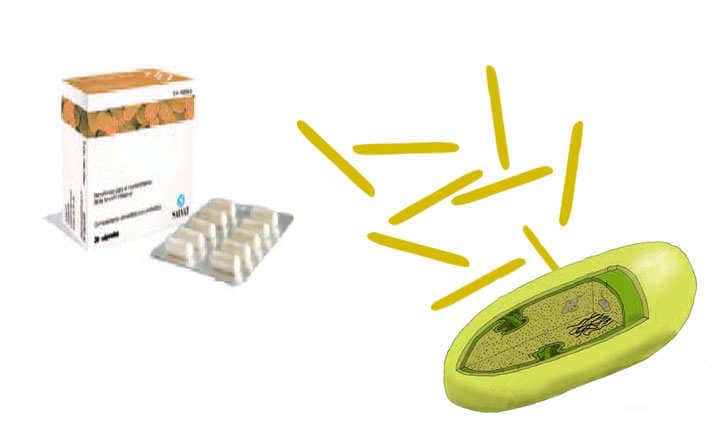
- Acidophilus.
- Bifidus.
- Bulfaricus.
- Casei.
- Delbrueckii.
- Fermentum.
- Gasseri.
- Johnsonii.
- Lactis.
- Paracasei.
- Plantarum.
- Reuteri.
- Rhamnosus.
- Silvarius.
Lactobacillus acidophilus
This is a species of microorganism specialized in fermenting milk. It has an elongated or rod shape and, as its name indicates, it has a preference for acidic environments.
 Lactobacillus acidophilus is a variety of lactobacillus bacteria that lives in the mouth, vagina, and intestines. It coexists with both humans and animals in a symbiotic way.
The benefits of L. acidophilus include absorbing lactose and metabolizing it into lactic acid, which is beneficial in humans.
The uses are as a probiotic, and its function is to keep other bacteria that are harmful to humans or animals under control. By having a good colony of acidophilus, you prevent the uncontrolled growth of harmful agents.
It also facilitates the generation of vitamin B6 or pyridoxine, vitamin K, niacin, and folic acid during digestion.
Bifidus
Although they are now classified as bifidus outside the Lactobacillus genus, until just a few decades ago they were considered bacilli. Currently, due to various studies and advances, more than twenty classes of bifidus have been cataloged, and many of them can act in a similar way to previously described Lactobacillus species.
Reuteri
It is used to treat infant colic and diarrhea in babies. Lactobacillus reuteri helps to soothe discomfort. It can be used when antibiotics must be given to the baby to reduce side effects, as well as to improve lactose intolerance. L. reuteri also shows good results in preventing the development of atopic dermatitis when there is a family history. The mother can take it one month before delivery and then give it to the baby.
It also has antimicrobial properties, but for children or during pregnancy, always consult a doctor.
Rhamnosus
 It is an intestinal strain that, although beneficial, must be administered with control in people with a weak immune system. In these cases, it can proliferate excessively and be counterproductive. Although this is quite rare, the risk of side effects cannot be excluded.
Its uses and applications include treating inflammatory diseases, post-colon surgery conditions, bursitis, etc. There are many individuals who can benefit.
You can take Lactobacillus rhamnosus in many yogurts and fermented milk products. It produces lactic acid from intestinal mucosal cells. It colonizes the digestive tract and provides balance to the intestinal flora.
Casei
Perhaps it is the most well-known Gram-positive anaerobic bacterium. Widely used in yogurts and dairy products, it produces benefits in adults and children and also improves the growth of Lactobacillus acidophilus. Therefore, including this lactobacillus as a probiotic has a double effect.
Lactobacillus casei is very resistant to pH. It can live across a wide range, and its characteristics include improving digestion, breaking down lactose, and, as already mentioned, encouraging the growth of L. acidophilus, which also produces amylase. This enzyme is one that is sought to be increased with the Solgar digestive enzymes tablets, present in saliva and pancreatic juices to process carbohydrates.
It is also used to treat the symptoms and side effects of childhood diarrhea. L. casei is quite effective.
Plantarum
A great ally for people with colon disorders, this subspecies of lactobacilli has properties and benefits for the intestinal mucosa. Specifically, it reduces inflammation and can help in irritable bowel syndrome (IBS).
Like the rest of Lactobacillus plantarum, it converts lactose into lactic acid and is essential for making sauerkraut, a cabbage ferment.
Gasseri
It is another probiotic, although instead of increasing defenses, it acts by improving the rate of abdominal fat reduction. It has an effect on adipose tissue and the adipocyte hormone that regulates food intake and energy expenditure. Probiotics with Lactobacillus gasseri inhibit the production of plasma leptin, which activates fat burning if necessary. People with obesity have much higher leptin levels, so according to some laboratory analyses and scientific tests in humans, taking L. gasseri improves body fat rate.
Another positive characteristic of Lactobacillus gasseri is that it increases insulin resistance, so people with type 2 diabetes may benefit from consuming foods with this type of natural probiotic.
Probiotics with Lactobacillus
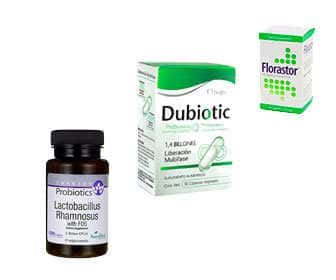 They are products that help strengthen defenses, improve intestinal flora, or increase the colony of beneficial bacteria within the human body. Some of the products that are being developed the most are natural probiotics for adults, since they are a way to improve health without using medications and products that produce side effects.
Many are well known, as is the case with yogurt or kefir, and others, the most potent, are supplements with Lactobacillus tablets or impregnated in a gel so that they come into contact with the body.
In reality, consuming probiotic foods has always been considered healthy, but now there is the possibility of including, at certain times, an extra intake through capsules, drinkable formats, or items impregnated with millions of bacteria that are released with body heat.
Lactobacillus for vaginal infections
There are quite a few options, and depending on the type of condition, some strains of lactobacilli can be used. Many of them are used to improve the body’s defenses and others, as in this case, to eliminate infections that may appear in the vagina and cervix. In this case, it is even possible to use muvagyn vaginal probiotic during pregnancy, since it contains different types of Lactobacillus that can be applied using a vaginal tampon or by taking probiotic tablets.
Ovules
They are a small device that contains millions of bacteria. Lactobacilli in ovules can be applied by insertion into the vagina to eliminate infections and reduce symptoms such as itching and frequent urination that this type of pathology causes.
Their shape is anatomical. They are easy to insert and are designed to release their load upon contact with intimate moist areas and with the body heat of the person who uses them.
Pharmacy capsules
In this case, these are encapsulated products that have previously been processed to concentrate the number of Lactobacillus. They usually include several million bacteria, and the way to take them is like any other supplement. The estimated time is between 5 and 7 days, although there may be slight variations depending on the probiotic brand, the lactobacillus species, as well as whether it is used to improve, prevent, or treat.
Is it good to take live lactobacillus?
It is always recommended that a doctor or health specialist indicate the use of dietary supplements or activators of certain organic systems. In the case of Lactobacillus, bifidus, and supplements that contain live microorganisms, intake must be controlled since in certain people it could destabilize the balance of the intestinal microflora.
In general, there is no contraindication, but the opinion of an expert who knows your medical history and the symptoms you present, such as stomach discomfort, a urinary tract infection, or low defenses, will indicate whether it is necessary to take Lactobacillus acidophilus, reuteri, or rhamnosus.


