The tomato is a fruit (vegetable?) that can be eaten raw, boiled, or fried. It has very good health properties and antioxidant benefits. Its nutritional composition is rich in vitamins, minerals, and antioxidants such as lycopene. The interior is filled with water, which makes it nutritious and hydrating at the same time. It is one of the healthiest foods to eat in salads or in canned form, so you can prepare many recipes with it. Since there are many varieties with different flavors and aromas, we are going to look at all of them.
Contents
- 1 Tomato properties
- 2 Varieties and types of tomatoes
- 3 Tomato and uric acid
- 4 Composition and nutritional value of the tomato
- 5 Lycopene and antioxidants
- 6 Does the tomato have many calories?
- 7 Is it useful for slimming and losing weight?
- 8 Benefits of the tomato
- 9 Is the tomato a fruit or vegetable
- 10 Where to buy organic tomatoes
Tomato properties
It is a plant from the nightshade family that is cultivated in many parts of the world. The tomato plant produces its fruits, which are called “tomatoes”.
A very important aspect is that you can buy fresh tomatoes very easily. There are countless fruit shops and supermarkets that offer different varieties. You can choose to buy them cheaply or at a slightly higher price depending on the use you are going to give them.
In addition to this, tomatoes contain many trace elements and macro- and micronutrients, among which vitamins and minerals stand out. We can say that the properties of the tomato are:
- Antioxidant.
- Cholesterol-reducing.
- Heart-protective.
- Skin-improving.
- Supports proper functioning of the urinary tract.
- Strengthens eyesight.
- Reduces uric acid.
- Effective against the harmful effects of tobacco.
- Promotes better digestion.
- Reduces hypertension.
Varieties and types of tomatoes
Because tomatoes are very widespread in some countries, different types are cultivated with varying organoleptic properties, flavor, acidity, and consistency.
Some are typically used in salads, such as Tomate Valenciano, Raf, or Kumato. Others, on the other hand, are used for cooking because their pulp breaks down more easily and they contain a greater amount of juice. This is the case with Tomate Pera. Below are all the varieties of tomatoes:

- Kumato
- Raf
- Valenciano
- Jitomate
- Anna Russian
- Angela
- Applause
- Aussie
- Baladre
- Bella Rosa
- Black
- Cherry
- Russian
- Blondkopfchen
- Bombilla
- Brandywine
- Carbon
- Ceylan
- Cherokee Purple
- Cherry Pera
- Cirneta Negra
- Ciruela Negro
- Comanche
- Copia
- Corazón de Buey
- Costoluto Genovese

- Ditmarcher
- Eros
- Kosovo
- Krim Negro
- Liguria
- Limachino
- Lime Green Salad
- Manitoba
- Marvel Stripe
- Montserrat Macizo
- Muchamiel
- Opalka
- Optima
- Gallego
- Glacier
- Gartenperle
- Green Sausage
- Grushovka
- Harzfeuer
- Hugh
- Japanese Black
- Jersey Devil
- RAF Pata Negra
- Rama
- Patio
- Tomate Pera
- Girona
- Negro
- Piña Hawaiana
- Rio Grande
- San Marzano
- Siberian
- Sprite
- Sugary
- Sun Sugar
- Tigerella
- Tomatillo
- White Queen
- Window Roma Box
Tomato and uric acid
 It is a food that generates a very small amount of uric acid when it is processed in the body. Purines are present in some foods when you ingest them, so if you have problems with uric acid, you must follow a diet to lower it.
The positive aspect is that including tomatoes in the diet does not cause uric acid levels to rise, but quite the opposite. Tomatoes do not contain uric acid, nor do they cause it to be produced. To give you an idea, 100 g of tomato produce around 10 mg of uric acid in the body. In contrast, a 100-gram serving of lentils can produce close to 100 mg, ten times more. Therefore, tomatoes are considered a suitable food for people with high uric acid, those who suffer from gout, and those who need to follow a low-purine diet.
Composition and nutritional value of the tomato
In addition to being very tasty, it is very healthy. It provides very few calories, proteins, carbohydrates, and fats. It is also free of cholesterol, making it an ideal food.
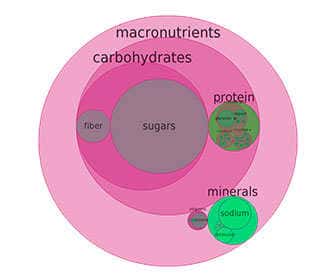
In addition, the nutritional properties of the tomato make it very beneficial for achieving good nutrition. Below is the nutritional value of 100 grams of tomato.
- Calories 18 kcal.
- Proteins 1.1 g.
- Carbohydrates 2.9 g.
- Total fats 0.2 g.
- Cholesterol 0 mg.
And the composition of the tomato in vitamins and minerals is:
- Vitamin A 133 ug.
- Vitamin B1 0.06 mg.
- Vitamin B2 0.04 mg.
- Vitamin C 24 mg.
- Vitamin E 0.8 mg.
- Calcium 13 mg.
- Phosphorus 27 mg.
- Iron 0.5 mg.
- Magnesium 20 mg.
- Potassium 297 mg.
Lycopene and antioxidants
One of the active compounds in tomatoes is lycopene, a carotene that gives the red color to many fruits and vegetables such as watermelon, carrots, cherries, and papayas. It also appears in other green foods such as parsley, fava beans, and coffee.
Tomato lycopene acts as an antioxidant that protects cardiovascular function. Lycopenes are important for synthesizing carotenoids and beta-carotenes, which protect against solar radiation.
It also has a strong effect in protecting cells from free radicals and oxidative stress. By slowing this process, aging is also partially slowed. In practical terms, eating tomatoes is very beneficial for maintaining a young and healthy appearance. You can complement the use of anti-wrinkle creams by eating one or two tomatoes every day.
Tomatoes also provide a high amount of Vitamin C, another antioxidant substance that is essential for maintaining a strong and healthy immune system.
Does the tomato have many calories?
Returning to the comparison with lentils, these contain many more calories. One hundred grams of raw tomatoes contain 18 calories, rice contains 130 calories, and carrots contain 41 calories. Therefore, tomatoes have very few calories. Only eighteen!
Is it useful for slimming and losing weight?
 Currently, there are different remedies and miracle diets that promise weight loss of 2 kilos in one week and to continue indefinitely. These plans usually involve eating tomatoes every day and little else.
In reality, these types of regimens are not healthy. Although weight loss may occur at the beginning, after a short time the lost weight is regained and may even increase. This happens because the body is alerted to a situation similar to famine.
Although it may seem unbelievable, this is true.
When food intake is reduced excessively, the human body is programmed to store as fat all the food it can. As a result, poor eating habits lead to greater weight gain.
Eating well is essential, and to do so, the tomato diet should be avoided. Instead, you can eat salads, limit meat consumption, choose lean meat, and eat grilled fish. Increase vegetable intake and always keep fruit in the refrigerator. Tomato juice has similar effects to whole tomatoes: it contributes very few calories, but it does not have fat-burning or reducing effects by itself.
Benefits of the tomato
- Reduction of the risk of developing prostate, lung, and intestinal cancer, as well as cardiovascular diseases.
- Prevention of many cases of dry and wet macular degeneration, a condition that affects vision and can even cause blindness in older people.
- Reduction of blood cholesterol. Adding lycopene to the diet, as found in tomatoes, lowers LDL levels, the so-called bad cholesterol that contributes to atherosclerosis. The benefits of tomatoes for the heart are significant due to the reduction in lipoproteins.
- Acts as a restorative food in cases of mineral and vitamin deficiency.
- Promotes detoxification of the body.
Is the tomato a fruit or vegetable
 There is some confusion on this topic, as in many places the tomato is considered a vegetable, while in others the tomato is a fruit.
If we look at its growth and function within the tomato plant, it becomes clear that it contains seeds, and all fruits are seed-bearing. Therefore, the tomato is a fruit. It grows from the ovary of the flower of the tomato plant, just like the fruit of a tree.
The debate dates back many years and is related to taxes and tariffs that applied to foods, leading to tomatoes being classified as vegetables to avoid these charges. However, whether it is classified as one or the other has little relevance beyond terminology. What truly matters is its nutritional contribution, its trace element content, and its flavor.
Now that doubts about the benefits and properties of the tomato, its composition and nutritional values, and the myths surrounding uric acid have been clarified, let us look at where you can buy them at a good price.
Where to buy organic tomatoes
They can be found in fruit shops, greengrocers, 24-hour stores, supermarkets, and online stores. They are also available in herbal shops, some of which offer a small selection of well-grown fruit and vegetables. You can buy organic tomatoes both online and in traditional stores.
Most tomatoes come from conventional large-scale farming, although organic varieties are increasingly available. These are more commonly found in markets and even more so online, although a minimum purchase is often required to make shipping costs worthwhile.
The price of organic tomatoes is higher than that of conventional tomatoes, although it also depends on the variety.