
The lysine is an amino acid that is used as a treatment for the herpes simplex virus (HSV-1). It also has properties that increase the body’s defenses, strengthening the immune system and providing benefits against colds and acting as a food ingredient that helps prevent the flu.
Contents
What lysine is used for
As an essential amino acid, it is important in human nutrition. It is considered one of the essential amino acids which, together with arginine, another essential amino acid, and proline, which is non-essential, make it very beneficial for human health.
It can be taken through foods or through supplements (capsules, sachets, or liquid). These forms are commonly taken together with another non-essential amino acid called ornithine.
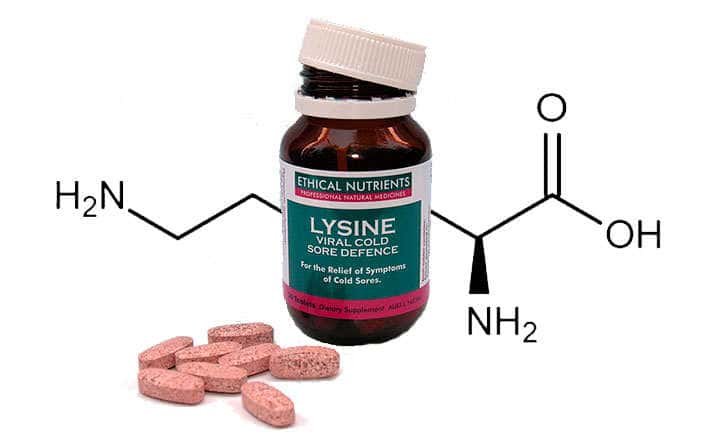
Together (lysine, arginine, and ornithine), instead of functioning as a treatment for cold sores and other types of skin disorders, serve to increase muscle mass.
As we can see, the uses and medicinal applications of the amino acid lysine are numerous. Depending on how it is taken (L Lysine or its simple formula), as well as whether it is ingested alone, it may provide different health benefits.
Because it has different properties, it is useful to understand its function in depth, as well as the best ways to take lysine. So let’s continue.
For genital and oral herpes
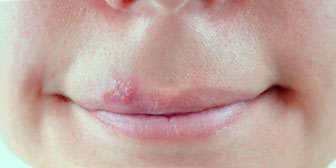
To prevent the appearance of herpes, the best option is to include foods with lysine, vitamin C, and zinc. These help increase defenses that block many periods in which the immune system is weakened and cold sores appear.
Lysine for genital herpes is a supplement that helps reduce the virulence of the herpes simplex virus types HSV-1 and HSV-2. Although it is not a treatment in itself, it works as a complement to antiviral therapy for this pathogen.
Lysine for cold sores works in the same way as in the previously described case. This essential amino acid has the property of increasing the presence of T lymphocytes, cells that are part of the immune system. When their levels increase in the body, lysine reduces virulence and the side effects that this viral infection produces on the lips.
In all cases, the consumption of foods or, alternatively, supplements with lysine helps reduce the recurrence of oral and/or genital herpes episodes.
For weight loss

Its function in fat metabolism is fundamental, as it facilitates the release of fatty acids from foods.
Its role in weight loss diets is complementary, meaning that it does not reduce adipose tissue but that, when lysine for weight loss is taken correctly, it can provide additional support in preventing the formation of body fat.
When fatty acids are released from food, there is a higher level of available energy, functioning in this way as a sports supplement that facilitates muscle growth and improved performance in physical activities.
In many cases, it is taken together with L Carnitine, which is a quaternary amine synthesized in the liver or supplied in capsule form that serves to burn fat. Together, they are among the most commonly used products in gyms to help complete definition diets and balance the muscle-fat percentage.
To regenerate cartilage
By interacting with proteins, it can serve as a base for the production of collagen, which is the protein that gives shape to cartilage and the tissues that form the joints. Lysine for regenerating worn or damaged cartilage acts by promoting natural synthesis from within the body.
As its intake increases, there will be a greater presence of natural polysaccharides that are part of joint tissue and, together with the stimulation of collagen synthesis, it may be beneficial against wear, preventing small cracks in the cartilage from increasing.
For children and growth
Although supplementing children’s diets is never recommended unless prescribed by a doctor, lysine for children is an essential nutrient, and children’s diets need to include this amino acid. Its role in growth and development is key.
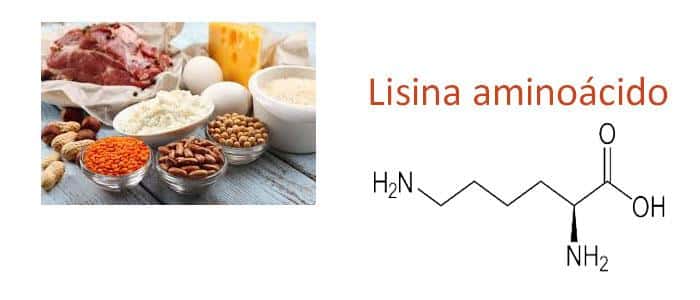
Lysine during childhood should be provided through foods such as beans, lentils, spinach, and asparagus. It can also be included as part of cereals eaten at breakfast with quinoa or as a nutritional contribution from nuts such as peanuts.
As with the uses of lysine for weight loss, in children it promotes the production of carnitine (also in adults). This acts by improving the conversion of fatty acids into energy, thus reducing cholesterol levels in children.
Another function in development is its excellent ability to absorb calcium, which is essential for bone formation, especially during growth or in individuals seeking increased height.
As indicated, lysine should only be incorporated as part of a balanced diet. Supplements in the form of L Lysine tablets for children should always be suggested by the nutritionist or pediatrician responsible for regulating children’s diets.
With vitamin C
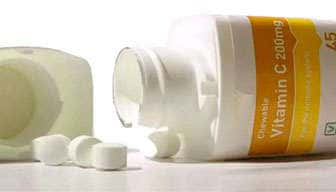
When taken with vitamin C, lysine improves the effects of the amino acid. It provides a means for the collagen produced to be of higher quality, also increasing wound healing and reducing healing time.
Lysine and vitamin C promote the formation of carnitine and neurotransmitters such as serotonin and norepinephrine, while also providing antioxidant effects from the vitamin.
Foods with lysine (where it is found)
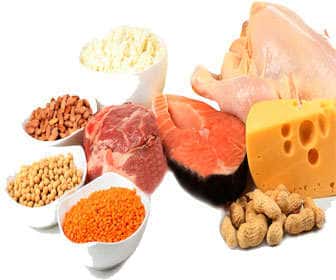
Fortunately, food is the most complete source of amino acids, and it can be used to avoid nutritional deficiencies and meet the body’s requirements for this amino acid.
It is commonly found in fresh and natural products that are part of the Mediterranean diet.
However, we do not always know the presence of lysine in foods, so for this reason, below we indicate the foods that contain the highest amounts:
| Foods | Amount of lysine in milligrams per 100 g |
| Skim milk or nonfat milk | 2768 mg |
| Soybeans or soy | 2414 mg |
| Turkey meat | 2173 mg |
| Hen and chicken | 1810 mg |
| Peas | 1744 mg |
| Fish | 1600 mg |
| Lupins | 1447 mg |
| Peanuts | 1099 mg |
| Egg yolk | 1074 mg |
Other foods that are rich in lysine include quinoa, lentils, beans or kidney beans, and vegetables such as spinach, asparagus, and watercress.
Foods such as amaranth (kiwicha) can also be included, as well as carob pods that can be used to make chocolate or spices added to bread such as black caraway, which is similar to cumin.
Most meats and fish are rich in lysine, so it is advisable to include them, especially in children. It is common for vegans to have lysine deficiency due to avoiding the consumption of these fresh products commonly found in markets.
Properties and benefits of taking it
One of its advantages is that it increases chemical catalysis, that is, it increases the speed of chemical reactions in the metabolism. This is one of the best properties of lysine, since it makes the assimilation of ingested foods more effective and also enhances the production of collagen.
To obtain the benefits related to collagen, it is essential to take lysine with vitamin C. In this way, collagen synthesis and its bioavailability in the body will be greatly favored.
We can say that the properties and benefits of lysine are:
- Increased calcium absorption.
- Greater protein synthesis.
- Increased skin regeneration due to higher collagen production in the body.
- Increased immune defenses and strengthening of the immune system.
In the section “What lysine is used for” we have indicated all uses and applications, making it a useful way to learn about its health properties and understand the benefits it may have when its intake is increased in the diet, used as a supplement, or recommended by a doctor in a therapeutic context.
Lysine, Ornithine, and Arginine

We have already indicated that it can promote muscle and bone growth, but it is when lysine is used together with ornithine and arginine that its full anabolic potential becomes evident.
Arginine and lysine are two essential amino acids that, when combined with ornithine, can meet the demands of many athletes seeking to increase muscle mass.
The effects on fat assimilation, the reduction of adipose tissue formation, and the ability to promote muscle growth are ideal for most athletes seeking to achieve their goals.
If you are interested in learning about all its properties in this area, we recommend reading the information in the section Lysine, Ornithine, and Arginine, where the benefits of taking the three amino acids together are described.
Now that we know all its properties, benefits, and forms of use, we will continue with the article by reviewing its most common formulations.
Types of Lysine
Although its most common chemical form is lysine or L-lysine when obtained from food or taken in the form of tablets or capsules respectively, there are various types of lysine, as explained below.
L Lysine
This is the levorotatory form, which is generally used in the preparation of nutritional supplements.
L-lysine is commonly more easily absorbed, which is why it is frequently added in this chemical form.
In most cases, the amino acid is referred to interchangeably as L-lysine or simply lysine.
Lysine clonixinate
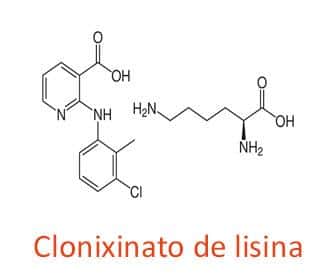
Under this name, a nonsteroidal analgesic and anti-inflammatory drug (NSAID) is marketed. Lysine clonixinate is a medication with analgesic effects that relieves pain.
Lysine clonixinate is used to inhibit cyclooxygenase, an enzyme responsible for the production of prostaglandins, substances derived from fatty acids that act in the nervous system and generate pain signals. In its medicinal form, lysine clonixinate is therefore used to relieve pain in patients with arthritis, migraines, menstrual discomfort, and muscle injuries.
It is important to understand that in this chemical form it has more side effects and should always be recommended and prescribed by a doctor.
Lysine hydrochloride
In its hydrochloride form, it is obtained by combining lysine with hydrochloric acid and has two important uses.
The first use of lysine hydrochloride is as a supplement. In many cases, a dose of L-lysine can be used interchangeably in its place.
In this version of the amino acid, benefits can be observed for muscle growth, bone health, and increased skin regeneration.
Thanks to its properties that improve collagen production and increase iron absorption, it can be administered in many situations, such as wound healing, prevention of rickets, or when there is a need for stronger and more robust bones.
The other use of lysine hydrochloride is as a food additive. Its production in this case is usually based on cultures of Brevibacterum flavum and Corynebacterium glutamicum.
Lysine acetylsalicylate
Sold as a medication, lysine acetylsalicylate acts as an analgesic and is suitable for symptomatic conditions in which pain is present.
In this sense, this lysine-based compound, although different from lysine clonixinate, has a similar role in medicine. It is up to the physician to determine which of these types is appropriate for treating the symptoms.
Function as an amino acid
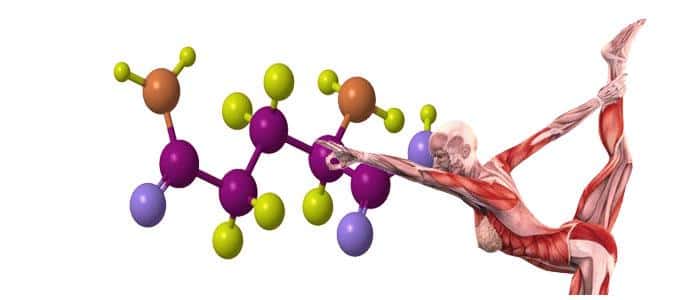
Amino acids have many functions in the human body, but if we focus on understanding the function of the amino acid lysine, we can say that it:
- Participates in tissue regeneration.
- Improves wound healing.
- Stimulates collagen synthesis, which is closely related to and beneficial for numerous skin disorders.
- Delays joint aging.
- Helps reduce joint pain.
- Strengthens the immune system.
Amino acids are the basis of many physiological processes, making them essential for growth, development, and the maintenance of bodily functions.
Lysine, when incorporated into the diet or taken as a supplement, can greatly benefit tissue formation and repair. Together with vitamins, it is an important component of a healthy and balanced diet.
Recommended daily dose of lysine
- To treat and prevent oral and genital herpes: 3 capsules of 500 mg lysine distributed throughout the day (breakfast, lunch, and dinner).
- For pain: 125 mg taken 4 times a day.
- Lysine clonixinate: from 125 to 250 mg every 6 or 8 hours.
It is common to take 3 tablets of 500 mg lysine together with the main meals of the day. For other purposes, such as pediatric use, a dose of 125 mg taken 3 or 4 times a day is recommended, always following the doctor’s advice.
In all cases, intake should be accompanied by plenty of water.
For the treatment of other conditions, the required amount and method of administration may vary.
When lysine is obtained through foods rich in this amino acid, no prescription is required. It can be consumed freely.
Side effects
- Stomach discomfort with diarrhea or vomiting.
- General discomfort.
- Arginine deficiency.
It is common to experience stomach discomfort, pain, bloating, and diarrhea when lysine is taken for the first time. If any side effects occur, administration should be stopped and, if it was prescribed by a specialist, medical advice should be sought to determine whether treatment should be discontinued.
Likewise, because lysine and arginine compete in the body, prolonged use of lysine can reduce arginine levels, leading to deficiency. For this reason, dietary supplements should always be used with caution and without exceeding the recommended duration of use.
Contraindications
- Pregnancy.
- Breastfeeding.
- Kidney disease.
- Liver disease.
- Allergy to any of its components.
If you are pregnant or breastfeeding, lysine intake should be avoided unless there is a clear medical recommendation. In all cases, the possibility of pregnancy should be communicated.
If you are undergoing pharmacological treatment, it is necessary to inform a healthcare professional to prevent potential interactions. Although specific interactions are not described, the wide range of possible treatments makes it important to communicate this information.


Can lysine be taken with Sjögren’s syndrome???
A great medication for various conditions and for proper functioning. Hormonal and growth-related…
Can a patient with diabetes and kidney failure take it? Or in that case, what could it cause?
Can I give it to my cat that has kidney failure?
Hello, how are you? How can I obtain lysine, since I have joint problems.
I look forward to your response. Thank you.
En las farmacias en las vitaminas tiendas naturistas o Internet
Hello, the doctors told me that my blood is contaminated, and as a result my cartilage hurts and my hands swell. Where can I buy lysine?
Parapharmacies, herbal shops, and you can also buy it online.
Can I take lysine if I am allergic to shellfish, fish, or to inhaling steam from boiling shellfish?
Hello Maria, check the composition and see if it indicates that it contains any type of trace of shellfish or fish, but in principle you should be able to take it.
Can lysine be given to a puppy?
Hello Lourdes, there are special products with amino acids, including lysine for dogs, so yes, it can be given to dogs and cats.
Thank you for all the information. I would like you to send me this information and other content to my email. Thank you.
Hello, if lysine promotes antibody production and increases immunity, can people with immune diseases such as Hashimoto’s thyroid disease or rheumatoid arthritis take lysine, or would it create more antibodies that attack the body?
Can people with diabetes take it?
I join your question, Connie.
I have herpes and would like to know what amount should be taken to fight it and if it is possible to completely eliminate this virus. Thank you.
Yuri, the type of diet you follow, eliminating foods rich in arginine and taking at least 1000 or 1500 mg of L-lysine, will help make outbreaks less frequent. The HSV herpes simplex virus has no cure.
I have had recurrent herpes for more than fifteen years. Now I am taking lysine, 3 capsules a day, and the herpes disappeared for the first time after so many years.
I find it wonderful. My only concern is that I suffer from early-stage kidney failure, and I am worried about how long I can continue taking this dose. I also have Sjögren’s syndrome. I would appreciate a response. Thank you.
I’m glad lysine has helped you with herpes. Regarding what you mention about kidney failure and Sjögren’s syndrome, it is best to discuss this with your specialist so they can monitor whether it affects your conditions. It is difficult to determine the long-term effects in your case.
I also have recurrent HSV and have had it for quite some time. I have been taking L-lysine for a couple of weeks and hope it helps
How effective is it for recurrent herpes? Hello Mónica.
Hello, for how long can it be taken? Should I stop taking it and then take it again? I suffer from herpes, and an antibiotic damaged the tendons in my shoulders. Thank you.
I have HSV. I have taken lysine for years, and it helped for a while, but now it appeared again. What am I doing wrong?
Is there anything that helps with the pain and sores of HSV? I use aloe vera, but it does not help me.
Hello girls, I have been taking it for two weeks. I hope to see results. I will let you know. I have recurrent herpes, and it is horrible to have this. Regards.
I have herpes and I am taking lysine, and I have noticed that my face has broken out. I do not know if it is because of the lysine, and I do not want to stop taking it because the herpes outbreak would return. This disease is very sad. You live with it 🙁
Hello, does it also work for shingles?
The best and most effective and proven option is wormwood. The area is washed with an infusion.
Good morning, which lysine product is most recommended: capsules, tablets, powder, or syrup?
In principle, the form in which you take lysine does not matter, as long as it contains the same amount.
Hello, I have Parkinson’s disease. I take pramipexole and levodopa/carbidopa. I was advised to take lysine to increase defenses because of bee stings. Would it be advisable to take it?
Can I take lysine for herpes zoster and take an antiviral at the same time?