The vitamin E is a natural antioxidant with healthy properties for the blood and the circulatory system. It provides benefits for the skin, hair, and brain.
Contents
What vitamin E is used for
Known for being an essential element in nutrition, vitamin E participates in the protection of various functions and organs in the human body. Known by the name of “Tocopherol”, it is a potent vitamin with antioxidant effects and therefore it can be said that vitamin E is used for:
- Prevent the deterioration of food.
- Protect against skin aging.
- Prevent eye diseases.
- Prevent lipid peroxidation or rancidity.
- Regulate the functioning of the circulatory system.
- Minimize the risk of Parkinson’s disease.
- Regulate blood cholesterol levels.
- Promote hair growth.
- Maintain the immune system with a high number of T lymphocytes.
- Produce red blood cells.
- Increase the synthesis of prostanoids.
Properties of vitamin E
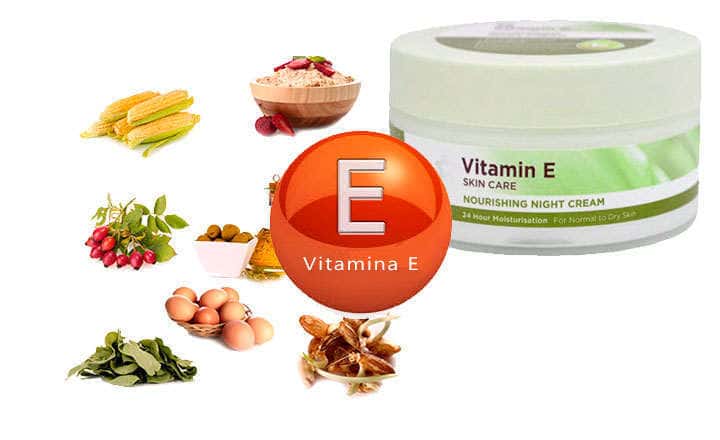 It has the characteristic of being fat-soluble, meaning it dissolves in the presence of fat and oil.
In addition, it is one of the best antioxidants, so it is vital to incorporate it into the diet through food or multivitamin supplements. Vitamin E has properties to:
- Block damage from free radicals.
- Slow the aging of the skin and hair.
- Improve the absorption of vitamin K.
- Allow the proper functioning of the brain.
It has the function of absorbing fats in the gastrointestinal tract, so people who cannot metabolize diets rich in fat are recommended to take a vitamin E supplement.
In the body, it is found in the membranes of mitochondria and in the membranes of the endoplasmic reticulum (a part of cells) and in general in all tissues where there is a higher concentration of free radicals. Its function is to protect the body from these molecules that cause damage in systems as important as vision itself and in organs such as the heart, lungs, and even the one that protects us from the outside, the skin.
Foods where it is found
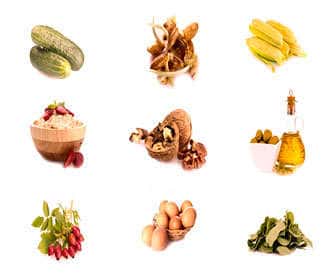 There are various sources where it is present, with the most important being vegetables, oils, and seeds. In addition, nuts are foods with a high content of vitamins and minerals, making it important to consume them. However, if you want to know where vitamin E is found, take note of the following list:
- Broccoli.
- Spinach.
- Asparagus.
- Tomatoes.
- Pumpkin.
- Kiwi.
- Wheat germ.
- Brewer’s yeast.
- Hazelnuts.
- Walnuts.
- Almonds.
- Peanuts.
- Olives.
- Olive oil, sesame, sunflower, soy, palm oil.
- Avocado.
- Margarine.
- Scorzonera.
- Spirulina.
- Egg yolk.
Most cereals contain vitamin E, so it is an excellent idea to eat them for breakfast. This way, from the early hours of the morning you have a good amount of this vitamin to protect the body from the oxidative stress of the day.
Is vitamin E good for the skin?
 This substance can be used in two ways. The first is by consuming it when it is found in foods and the other is through the use of creams.
Both methods are effective but each one is better for a specific purpose.
When you ingest liquid vitamin E or capsules the effects are general, meaning it acts throughout the body. It protects vital organs, neuronal function, and supports long-term vision health.
When you consume it in foods the effect is the same as with supplement capsules. The only difference is that it is milder because the amount is smaller in each serving.
If you apply it with a cream you focus on the effects of vitamin E for the skin. This form has a lower overall impact, but it does have targeted effects on a specific area. For example, you can buy an anti-aging cream for the face and reinforce its properties to maintain a youthful appearance with fewer wrinkles.
How to take vitamin E for the skin
Depending on the type of supplement, cream, cosmetic, or dietary supplement you have purchased, you should take vitamin E as follows:
- One or two capsules per day, preferably in the morning.
- Apply the cream in the morning to the face and/or body.
For hair
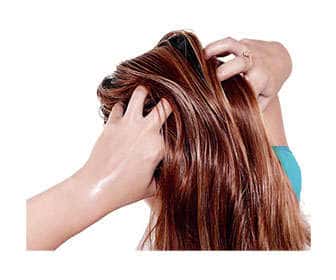 In the same way as with the skin, you can obtain its benefits by using it in various forms. The properties of vitamin E for hair are:
- Increase hair growth.
- Prevent hair loss.
- Help regenerate the hair follicle.
- Improve the shine and natural color of the fibers that make up the hair.
To have healthy and attractive hair you should provide a daily dose of vitamin E for hair. This will protect it from deterioration caused by sunlight, which damages hair and makes it look older.
Since there are various sources and also several ways to take it, we will look at which ones are correct and of course their dosage.
How to use vitamin E for hair
- Prepare a mask with the contents of 2 vitamin E capsules, 2 tablespoons of olive oil or coconut oil (heat the oil slightly before mixing).
- Apply when it is at room temperature to the scalp, giving a gentle massage with the fingertips.
- Spread the rest over the hair from the roots to the ends.
- Let it sit for 20 to 25 minutes. This is the indicated time for it to penetrate the scalp, the hair follicles, and the keratin fibers of the hair.
- Wash your hair with a mild shampoo without parabens.
- Repeat the process at least once a week.
You can also choose to buy a mask with vitamin E or tocopherol to avoid having to make the mixture at home. Although it is very simple to make, some people prefer to skip this step.
For the brain
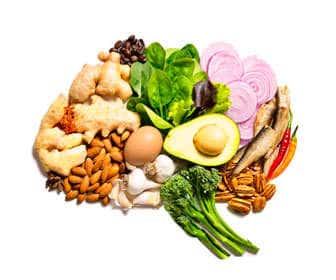 It is an essential nutrient for the formation of new neurons and the maintenance of existing ones. Vitamin E deficiency causes brain malformation. A diet low in tocopherol has serious side effects. Among them is a deficiency in the levels of DHA-PC or docosahexaenoic acid esterified in a phosphatidylcholine.
A study carried out by the University of Oregon in the United States showed that these levels can decline by up to 30% when the study was conducted on zebrafish larvae. The study was published in the journal The Journal of Lipid Research. And this other study reinforces the conclusions.
This side effect of vitamin E deficiency considerably increases the risk of developing Alzheimer’s disease in humans.
Dosage
Since the topic of taking it correctly is quite broad, the best approach is to follow the recommended dose of vitamin E. In this way you will avoid overdosing and have the certainty of taking the amount you need each day:
- Adults: 15 mg or 25 IU.
- Children: 10 mg or 16 IU.
Nutrition and health specialists recommend taking it in its alpha-tocopherol and dextro-tocopherol form. There are indications that this vitamin E formula found in some capsules is better and more effective than others, meaning it is better assimilated by the metabolism.
Function of vitamin E and prostanoids
Essential for cardiovascular physiology, prostanoids also modulate the risk of thrombosis and atherosclerosis. The regulation of the synthesis of these eicosanoid fatty acids is produced by the oxidation of omega-3 and omega-6.
It also prevents the thickening or deterioration of organic tissues that, due to their decomposition, take on a bad odor. Tocopherols are responsible for this.
Tocopherol or vitamin E?
Tocopherols are various organic compounds that in some cases act as vitamin E. There are alpha-tocopherol and gamma-tocopherol. The latter are the ones that have their function as vitamins. There are also tocotrienols that function in a similar way to these vitamins. So in reality in the scientific literature they are referred to interchangeably for their properties.