Fennel is a medicinal and aromatic plant that has properties to reduce gas. It has a carminative effect and promotes relaxation and intestinal well-being by reducing flatulence. It can be prepared in recipes to improve these symptoms and can also be taken as an infusion together with other antispasmodic plants, in capsules or in oil.
Contents
- 1 What Are the Properties of Fennel
- 2 Composition
- 3 Parts used for cooking and creating recipes
- 4 Differences between fennel seeds and anise
- 5 Edible varieties
- 6 Fennel for gas
- 7 Sea fennel
- 8 Pregnancy and breastfeeding
- 9 Contraindications
- 10 How fennel is prepared
- 11 Do the properties of fennel help with weight loss?
- 12 Buying fennel as seeds, fresh or in tablets
- 13 How to take it
What Are the Properties of Fennel
It has a large number of health benefits. Along with the contribution of vitamins and minerals, the properties of fennel are well known for helping people with intestinal gas problems. Known in the scientific literature as Foeniculum vulgare, it belongs to the group of carminative plants. These help eliminate abdominal bloating and help achieve a flat abdomen when there is flatulence.
The fennel plant grows in temperate zones, and in the Mediterranean area it is very common since it can be found wild and uncultivated, although the species used—sweet fennel—for cooking is cultivated to enhance its aroma and qualities. All parts of the plant are edible, from the root to the leaves and the stem. Perhaps the fresh bulb is the most common for cooking, although it depends, to a large extent, on personal tastes and on the place where it is used.
Fennel has properties to: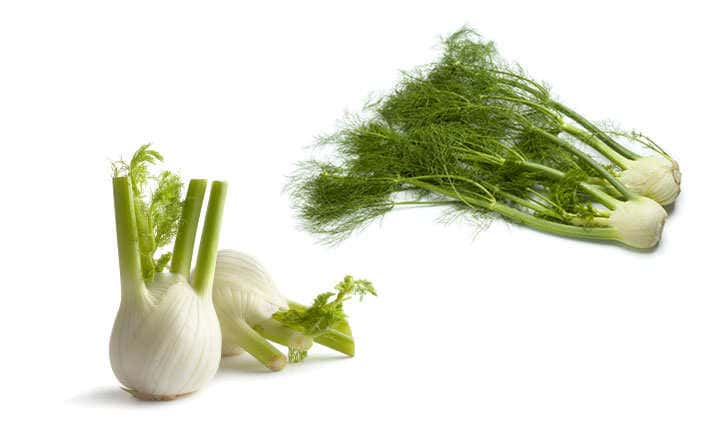
- Help eliminate excess fluids. It is a natural diuretic.
- Eliminate intestinal gas. Its carminative property promotes the reduction of gas produced in the digestive tract by digestion and respiration.
- Be added to the diet as a medicinal plant against colic and flatulence.
- Soothe discomfort caused by tired eyes. Relieves eye irritation.
- Reduce infections caused by conjunctivitis.
- Reduce a bloated abdomen and stomach pain after heavy meals. It has digestive properties.
- Provide antifungal and insecticidal benefits.
Composition
| Nutritional value per 100 g of fennel bulb / Energy 31 kcal – 130 kJ | |
| Carbohydrates | 7.29 g |
| Fats | 0.20 g |
| Proteins | 1.24 g |
| Folic acid (vit. B9) | 27 μg (7%) |
| Pantothenic acid (vit. B5) | 0.232 mg (5%) |
| Niacin (vit. B3) | 0.64 mg (4%) |
| Riboflavin (vit. B2) | 0.032 mg (2%) |
| Thiamine (vit. B1) | 0.01 mg (1%) |
| Vitamin B6 | 0.047 mg (4%) |
| Vitamin C | 12 mg (20%) |
| Calcium | 49 mg (5%) |
| Phosphorus | 50 mg (7%) |
| Iron | 0.73 mg (6%) |
| Magnesium | 17 mg (5%) |
| Manganese | 0.191 mg |
| Potassium | 414 mg (9%) |
| Zinc | 0.20 mg (2%) |
| The indicated percentage (%) corresponds to the recommended daily amount for an adult. | |
Parts used for cooking and creating recipes
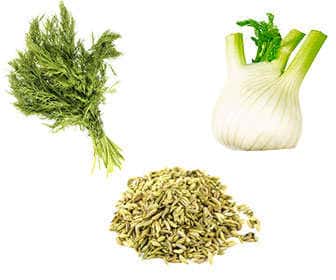 From this plant called Foeniculum vulgare, nothing is wasted. Each part of the stem, leaves, seeds and root is used in different dishes.
Fennel seeds are used as a powdered seasoning. They are ground and provide a special flavor to grilled or baked fish. They can also be included whole, sprinkled on top of homemade bread.
Leaves and stems can be chopped and added to many cold and hot dishes. They are very aromatic and distinctive, providing a pleasant aroma. A typical use of the stem is seasoning Campo Real olives or cierza.
The fennel bulb is perhaps the most consumed part. It can be included in stews, soups, salads and countless recipes. In Spanish cuisine it is widely used for making pickles, preparing sauces and different dressings with a touch of anise.
Differences between fennel seeds and anise
Although they are often confused, they are different plants. The confusion usually occurs when comparing the aroma and appearance of the seeds, since they share some similarity in their organoleptic qualities.
Anise seeds are small and elongated and come from the East rather than Europe. The medicinal properties of green anise are well known. These seeds are larger than those of fennel. Both can be used as digestive aids and for intestinal gas.
Edible varieties
- Florence or sweet fennel (the most common).
- Armo.
- Carmo.
- Genio.
- Pollux.
Fennel for gas
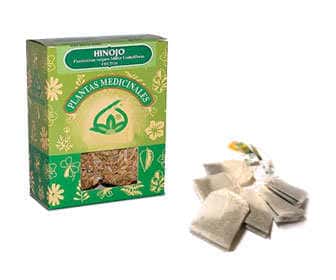 You can use two parts of the plant to reduce gas with fennel. You can either use the seeds, which is the traditional method, or take between 20 and 25 grams of the bulb, cut it into small pieces and boil it for 5 minutes.
This method is much more practical since most of the time we have fennel at home or it is sold fresh in markets. On the other hand, seeds must be purchased specifically and are not always easy to find.
It is also effective when eaten. It does not work only as an infusion or tea. If you notice that you have meteorism —you fart 🙂— and stomach discomfort with pain that moves from one side to the other in the upper part of the stomach, it is possible that you have gas. In that case, you can prepare a fennel salad and add it raw or cook it in other recipes, which will help reduce new gas through diet and contribute to the reduction of flatulence you already have.
Sea fennel
It belongs to the species Crithmum maritimum and is different from traditional fennel. Sea fennel is also known as sea parsley and grows along the Mediterranean coast.
It differs in shape and composition, which include: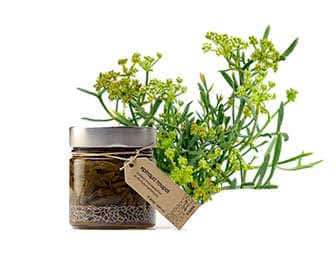
- Iodine.
- Beta carotenes.
- Amino acids.
- Vitamin C.
- Dilapiol.
- Benzene demethoxymethylenedioxy derivative.
- Critmeno.
- Essential nutrients.
- Minerals.
In ancient times it was widely used as an effective remedy against scurvy along the coasts of Italy, Greece, France and Spain, just as moringa in capsules is used today in Central America and worldwide.
It also has diuretic and liver-cleansing properties, digestive effects, improves appetite and can be eaten raw or cooked.
Pregnancy and breastfeeding
During pregnancy you can eat fennel normally and, if you wish, prepare an infusion. There are no contraindications and it may have beneficial effects on health.
However, essential oil should be avoided. In this form fennel during pregnancy can be harmful since it contains a higher concentration of active compounds. Avoid using this format both during pregnancy and breastfeeding.
Contraindications
Moderate consumption has significant benefits for people with digestive problems and a tendency to meteorism. However, as a natural plant, doses should be monitored and taken in moderation. In particular, fennel has contraindications in the following cases:
- Tamoxifen.
- Ciprofloxacin.
- Antibiotic treatment.
- Cancer patients.
- Oral contraceptives.
- Childhood.
- Breastfeeding.
It is contraindicated if you are taking antibiotics, especially when used as a dietary supplement. If consumed directly from the plant in small doses, it should not cause side effects or be contraindicated, except in people who have allergies to Apiaceae such as dill, cumin or celery.
In any case, if you are undergoing medical treatment and wish to use the properties of fennel, you should consult your specialist. This will help avoid adverse reactions and prevent unwanted interactions.
How fennel is prepared
There are several ways to prepare it.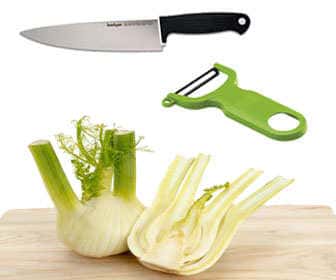
- The first is to cut a piece of the fennel bulb, divide it into smaller pieces and eat it raw, plain.
- The second way is to add it to a salad. Mix it with tomatoes, lettuce and meat such as beef or lamb, and finally dress it with oil, a pinch of salt and vinegar. Its fresh, citrus flavor pairs very well with meats, similar to cilantro.
- The third option is to brown it together with onions or cook it in a pot to add its flavor to the rest of the seasonings and the main ingredient.
- The last option is to boil it after chopping it, or use its seeds to prepare a fennel infusion for gas.
If you decide to take it for its carminative properties, which relieve flatulence, you should do so for a period of less than 2 weeks. If gas persists, you should turn to another type of remedy.
For culinary uses, you can eat it as many times as you like, always avoiding excess, in the same way you would with other fresh vegetables.
Do the properties of fennel help with weight loss?
No. By itself, it is not a weight-loss food. The properties and benefits of fennel help reduce a bloated abdomen and decrease abdominal volume, but only when related to digestive problems or gas accumulation. If you are thinking of fennel for weight loss, it may not be a very good idea. To lose fat and lose weight, there are other herbs and plants that are much more effective.
Buying fennel as seeds, fresh or in tablets
It is always good to have access to fresh and natural products from the garden. These are a very valuable source of trace elements and essential nutrients. The vitamins, antioxidants, minerals and substances beneficial to health provided by fresh fennel are always greater than those of processed products. However, consuming it this way does not prevent the use of supplements.
Fennel tablets are much more potent in their effects than raw or cooked fennel. They contain a higher concentration of active compounds and allow better control of the daily dose. They can be taken several times a day for the required period. On the other hand, the plant or the bulb can be reserved to enjoy its flavor and complement daily nutrition.
How to take it
Note that depending on the product you have purchased, the concentration of compounds may vary, which may require different dosing.
- Fennel drops should be taken 1 to 3 times a day, at a dose of 30 drops per intake (1 ml per dose).
- Infusions can be taken after meals to speed digestion and relieve gastrointestinal spasms. This also helps reduce gas formation.
- Capsules of 330 and 400 mg of Foeniculum vulgare should be taken three times a day, one with each meal.
Remember that each brand may sell a different presentation, with varying weights and prices. Compare options and choose the one that offers the best value.