Coconut oil is very beneficial for human health and can be used in a thousand different ways. It provides fatty acids, triglycerides, iron and a small amount of vitamins. It can be classified as a superfood since oils made from this fruit contain essential fatty acids for health. It improves the immune system thanks to its antibacterial and antifungal properties and is fantastically good for the skin.
Among its uses, it stands out for helping with weight loss diets, improving memory, enhancing hair quality and increasing the lifespan and resilience of dermal cells.
Contents
Coconut oil properties
For more than a decade, it has been demonized because this type of oil contains saturated fats but contrary to what it may seem, it is not bad. Quite the opposite. Coconut contains almost 90% saturated fatty acids and the benefits it provides are countless. These components are remarkable.
It should be added that in recent years some scientific studies have shown that its consumption is harmless and that it does not cause arterial problems at all. The rate of absorption by the body is similar to that of other foods such as meat and fruit. In addition, it contains medium-chain triglycerides that are processed in the stomach without the need for transformation to be metabolized by the lymphatic system.
This provides coconut oil with properties that serve to accelerate the production of fast energy by the body. It also provides proteins and minerals, which makes it an ideal food for people who engage in sports.
Coconuts supply a high protein content and low carbohydrate content. Their components include folic acid, palmitic, linoleic and oleic acids as well as minerals that are essential for basic bodily functions.
The properties of coconut oil are:
- Promotes skin cell regeneration.
- Helps with weight loss by accelerating metabolism.
- Strengthens the heart muscle.
- Gives vitality to hair, nourishes, hydrates and provides shine.
- Helps prevent immune system disorders.
- A fully usable source of organic energy. Fast and efficient.
- Improves thyroid function.
- Good for gingival health, gums and teeth.
- Antibacterial and antifungal.
For weight loss
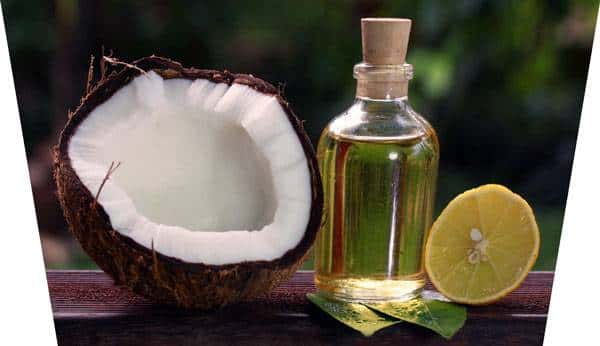 In the western world, excess weight is a widespread problem. Excess calories, fats and high calorie foods rich in processed sugar cause many people to desperately look for foods that help with weight loss. In this sense, coconut oil for weight loss is beneficial because the medium-chain triglycerides (MCT) it contains increase the body’s caloric expenditure compared to long-chain triglycerides (LCT). Some studies demonstrate this. These properties related to weight loss and fat burning allow it to be considered a thermogenic food due to the stimulation it provides to metabolism.
The important thing when eating is not only the number of calories but the quality of the foods we consume.
This directly affects overall health and the quality of cellular tissues as well as the entire dermal system. Dull and aged skin is often a symptom of poor nutrition, and the same applies to other internal problems that the body develops. Therefore, products must be chosen carefully.
In the context of weight loss diets, another study showed that the consumption of medium-chain triglycerides (MCT) instead of long-chain triglycerides (LCT) increases by about 5% the energy supply the body needs to function over a 24-hour period. That is, you will need that additional percentage to maintain yourself. In theory, it means that eating the same amount you will lose weight. This is the basis of how so-called thermogenics or metabolism-accelerating foods work. You can read extensive information about this type of food for weight loss in our article or consult the references at the end.
Reducing appetite
 In addition to the benefits described, a very interesting feature is that it reduces the desire to eat. This property is related to the way fatty acids behave when they are metabolized as ketone bodies. We already commented on this topic in the post about raspberry ketone with reviews. In addition, according to scientific literature, people who consume medium-chain triglycerides consume about 25% fewer calories per day.
For people who seek to lose weight without compromising their health, the benefits and properties of coconut oil can be remarkable. They help maintain overall bodily health while reducing calories in long-term diets.
Fungicidal and antibacterial
It contains lauric acid, and its properties help keep fungi and bacteria at bay. Half of the fatty acids contained in a tablespoon are largely 12-carbon fatty acids. When coconut oil is ingested and digested, the monoglyceride known as monolaurin is formed. This acts by killing harmful agents such as viruses, bacteria and fungi.
A practical example is yeast and staphylococcal infections, which are common causes of human skin infections as well as scalp infections. Consuming coconut pulp in juice form or coconut oils helps strengthen the immune system against common infections.
A mouth rinse with coconut oil is fungicidal, and if a touch of mint is added, it provides cleanliness and freshness.
 Thanks to its antibacterial properties, it effectively meets oral hygiene needs. Lauric acid kills bacteria and helps keep gums healthy. When mixed with a few drops of mint or another refreshing product, it becomes an excellent natural mouth rinse.
You can use it after brushing to keep microorganisms that cause dental caries at bay while giving your breath a fresh touch.
Organic or refined coconut oil
This is a very important point when choosing which product to buy. Depending on the choice you make, you will either obtain the best benefits or waste them entirely.
When coconut is processed manually or mechanically to extract its edible oil, anomalies and defects in its composition can appear. These may be organoleptic or chemical defects, which make the beneficial effects different and incomplete. To avoid this, some manufacturers treat the oil again with chemicals. In this way, they restore the appearance it should have had from the beginning, simulating high-quality oils. However, when it is chemically treated, its beneficial properties disappear. To compensate for this loss, a blend is created, similar to the process used with olive oil.
The differences between an organic coconut oil and a refined one are substantial. The content of oleic acid and essential components is much lower, so in reality, they can hardly be considered the same product. In some cases, the oil even ceases to be edible during processing.
To buy a good-quality product, check the label. It should clearly indicate the type of oil and its composition.
Benefits of coconut oil
The human body knows how to take advantage of all these qualities. Because it contains all B vitamins and minerals such as potassium, calcium and magnesium, muscle function and the central nervous system are positively affected.
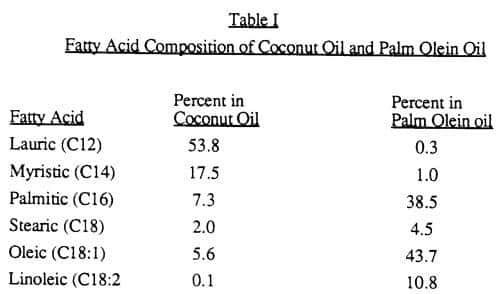 The benefits of coconut oil include providing oleic, linoleic, arachidic, palmitic, palmitoleic, myristic, capric, caprylic, caproic and lauric acids. All are present in different concentrations, but together they make its uses versatile. In this sense, coconut, its oil and its benefits affect different parts of the human body in positive ways.
As it is a food product that is quickly converted into sugar, it can be used as a source of fast energy. It also provides a significant amount of protein and is low in carbohydrates. This makes it suitable for people who want to take care of their appearance, follow diets and, of course, for athletes.
Currently, its applications and uses are being studied to benefit cognitive processes and disorders such as Alzheimer’s disease or epilepsy.
For epilepsy
The fatty acids in coconut oil are converted into ketones, which help reduce seizures associated with epilepsy.
There is a medical approach that suggests a low-carbohydrate and high-fat diet can help manage seizure disorders such as epilepsy. This diet involves consuming minimal carbohydrates and high amounts of fat, although not just any type of fat.
Although the exact mechanism is not fully understood, this type of diet has been shown to reduce seizures in patients with epilepsy. Increasing the consumption of coconut and its oil may significantly reduce both the frequency and number of epileptic seizures in children and adults while enhancing the effectiveness of medications.
For the heart
It helps lower blood cholesterol and reduces the risk of heart disease. The saturated fats in coconut oil are not bad. They promote higher levels of good cholesterol at the expense of bad cholesterol. A study in women showed that cholesterol levels improved significantly when they increased its intake.
Another study was also carried out with laboratory mice, demonstrating that triglycerides and cholesterol were metabolized in a way that improved blood quality, thereby protecting individuals from the risk of cardiovascular disease and heart problems.
Alzheimer
Coconut oil and Alzheimer’s disease are linked through brain function. Some of the fatty acids it contains are beneficial for people with this condition. It may also help individuals with dementia and signs of cognitive aging.
It is thought that the development of Alzheimer’s disease may be due, in part, to changes in glucose metabolism with age. This results in less fuel for neurons, which eventually degenerate.
Since fatty acids and ketone bodies supply a large amount of energy, some scientists believe this improves energy supply to affected areas of the brain. In the study “Effects of beta-hydroxybutyrate on adult memory”, it was stated that increasing the consumption of medium-chain triglycerides improved cognitive functions in patients with Alzheimer’s disease. This was reflected in improved memory and intellectual performance.
Currently, medium-chain triglycerides are being subjected to rigorous scientific trials in neurological research.
Coconut oil for hair
In addition to being a food, it has non-culinary uses. Many cosmetic brands and hairdressers use this product in treatments designed to strengthen hair. Coconut oil for hair provides hydration and nourishment and helps prevent damage from some of the sun’s rays.

Its moisturizing properties support hair health and skin appearance. It also helps protect against ultraviolet radiation, demonstrating that it can act as an effective sunscreen by blocking close to 25% of the sun’s rays. Dehydration and radiation are among the main factors contributing to skin and hair aging.
Where to buy it?
If you want to purchase it at a good price, you can do so in online stores. There is a wide range of products for different uses, with suggestions and comments from other users. Nowadays, products are available in different formats, in both large and small sizes.
Organic coconut oil is commonly found in online herbal shops and physical herbal stores. It is also available in natural product stores and in cosmetic shops, depending on the intended use. That said, always make sure it is organic, natural and unrefined.
References:
* Twenty-four-hour energy expenditure and urinary catecholamines of humans consuming low-to-moderate amounts of medium-chain triglycerides: a dose-response study in a human respiratory chamber. Dulloo AG1, Fathi M, Mensi N, Girardier L. http://www.ncbi.nlm.nih.gov/pubmed/8654328.
* Effects of dietary fatty acids and carbohydrates on the ratio of serum total to HDL cholesterol and on serum lipids and apolipoproteins: a meta-analysis of 60 controlled trials. Am J Clin Nutr.
* Influence of virgin coconut oil on blood coagulation factors, lipid levels and LDL oxidation in cholesterol fed Sprague–Dawley rats. www.e-spenjournal.org/article/S1751-4991%2807%2900043-1/abstract.
* Small-Scale Palm Oil Processing in Africa. FAO.
* Poku, K. 1993. Innovations in Village Based Palm Oil Processing. Paper presented at the BUROTROP-AFOPDA Seminar on Small- and Medium-Scale Oil Palm and Coconut Technologies, Accra, Ghana.