
Acetoacetic acid has a chemical formula that plays a role in metabolism with functions related to the heart and as an energy source for the brain. It also participates in the formation of lipids the set of hydrogen and carbon molecules that have an organic function. However although it is beneficial when there is an imbalance in the human body and it is not able to process it properly this can lead to accumulation in the blood producing different pathologies.
Contents
What is acetoacetic acid
Known by the names “diacetic acid” and “3-oxobutanoic acid” acetoacetic acid is an organic compound formed by two keto groups. It is the simplest beta keto acid very unstable and capable of transforming into acetone through spontaneous decarboxylation. Acetone is harmful to health when it accumulates in the blood due to the use of fat instead of glucose as the energy source of the human body.
Formula, characteristics and properties
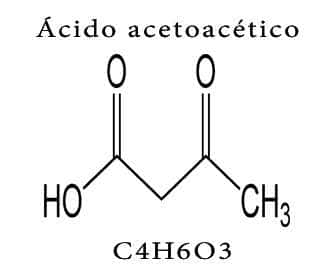
- Acetoacetic acid formula: C4H6O3.
- Formula when it converts into acetone: CH3(CO)CH3.
As such it is an energy source in metabolism and helps keep the organism active. The properties of acetoacetic acid are:
- Lower the pH of the blood.
- Provide energy to the brain, heart and organs of the organism.
- Cause breath with a fruity odor.
Why is it harmful to health?
Under normal conditions the human body is able to process it normally but when there is a low-carbohydrate diet the energy demand of the body requires other elements and substances stored in fats. Faced with a deficiency in the diet whether due to poor nutritional intake loss of appetite or as a trigger from a weight loss diet the organism begins to consume stored fats. This causes ketone bodies to increase in the blood with the corresponding danger to health and the appearance of so-called ketosis.
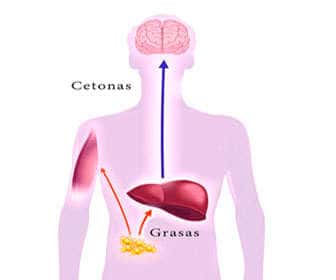
Ketosis is a condition produced by a low level of ingested carbohydrates. When the level supplied to the organism is insufficient catabolism the process for generating nutrients comes into play. Fats are processed to obtain energy. For this an increase in ketone bodies is necessary which are responsible for breaking down fat located in the abdomen the gluteal area and other parts of the organism.
In the process of breaking down fats into smaller molecules among which are essential nutrients acetoacetic acid is generated. This has uses for the brain serves as a supply in cases of lack of food and also supports the rest of the vital organs.
From that moment the human body begins to consume fats instead of carbohydrates.
Does dieting cause an increase in acetoacetic acid?
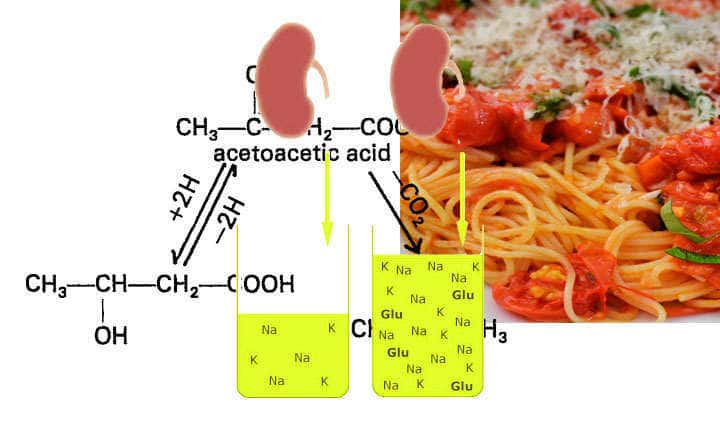 Whenever you plan to follow a weight loss diet you must monitor and properly calculate the intake of the nutrients you consume to avoid ketosis. Although in this state fat elimination is much easier you run the risk of excessively acidifying the blood and producing side effects harmful to health.
It is quite common to find diets designed to provoke ketosis and therefore the synthesis of acetoacetic acid but it is important to be very careful. An increase in acids in the blood is called ketoacidosis.
Without dieting is there a risk of ketosis?
Normally the body regulates well the production and assimilation of this type of carboxylic acid. Despite being unstable it is precisely regulated by metabolism when you follow a varied and healthy diet.
Unless you have a metabolic imbalance it is not common to detect an increase in acetone. This, like the rest of the ketone bodies, is created according to energy demand and the need to process accumulated fat. As long as you eat properly it should not be a concern. However if you diet to lose weight you should be careful and consult a nutrition specialist what is a nutritionist an expert whose function is to adapt the diet to your metabolic needs.
How to diagnose high acetoacetic acid or ketoacidosis
- Through a urinalysis.
- A blood test.
- Using nitroprusside test strips or similar reagents.
The doctor can recommend the most appropriate diagnostic method in each case. Test strips when they show a drastic increase in acetoacetic acid cause a color change from pink to purple on the strip.
Relationship with diabetes mellitus
When acetoacetic acid in urine is higher than normal it is possible that you have diabetes mellitus. It is also common for gas accumulation to occur and therefore the need to eliminate stomach gases or use remedies for aerophagia since to eliminate it naturally the organism produces CO2.
In some cases the urine may smell similar to pure acetone due to its accumulation.
When acetone appears it may be due to a lack of insulin preventing cells from using glucose. In this case fats must be used triggering the process described above which if it increases can lead to ketoacidosis a harmful condition that can cause total failure of the organism.